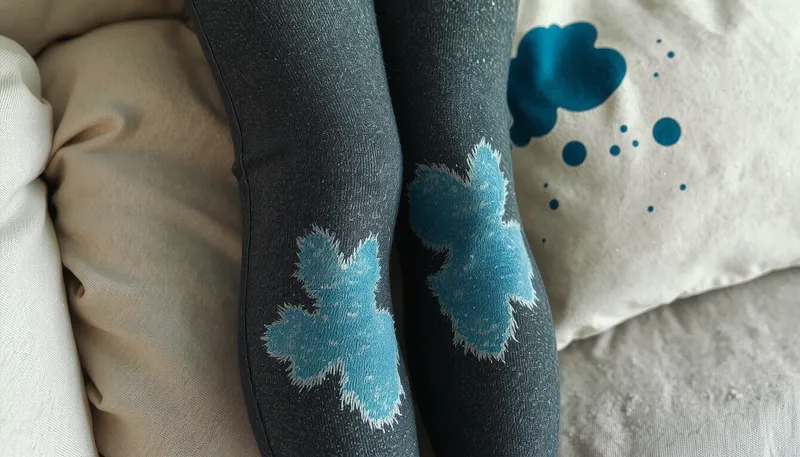
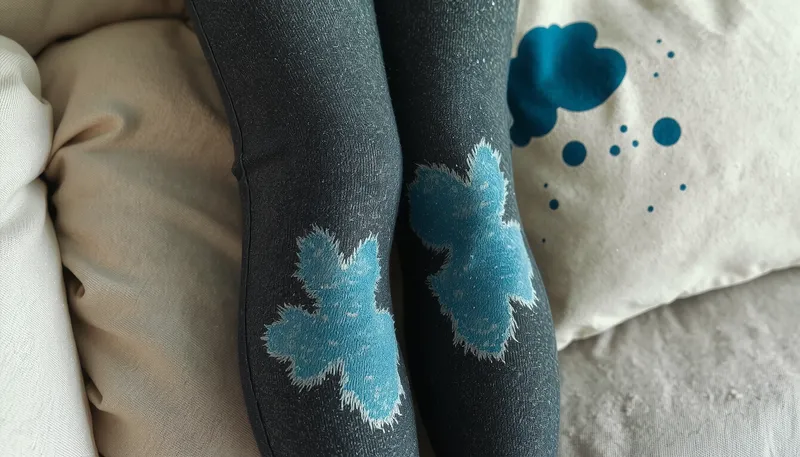
Have you ever gotten up from your light-colored sofa to find a blue or black mark? Your new leggings or jeans left it there. This annoying issue is known as "crocking." It happens when fabric doesn't hold color well when it is rubbed. This guide will explain what crocking is and why it happens. You'll also learn how to find high-quality fabrics in 2026 that won't ruin your furniture or other clothes.
Key Points
- What is Crocking: Crocking is when dye rubs off a fabric onto another surface, which could be your sofa or skin.
- The Cause: It happens when extra dye doesn't stick to the fabric fibers during the making process.
- The Solution: Look for fabrics that have high color grades. New technologies like D036 Acid Print work best. It gets a Grade 4 on wet rub tests.
- Prevention: Wash new dark clothes before wearing them. Do a quick rub test in the store with a white tissue.
The Problem: What is "Crocking"?
Crocking is the reason your new workout clothes might leave marks on your yoga mat or car seat. It shows there was a problem when the fabric was dyed.
What Color Rub-Off Means
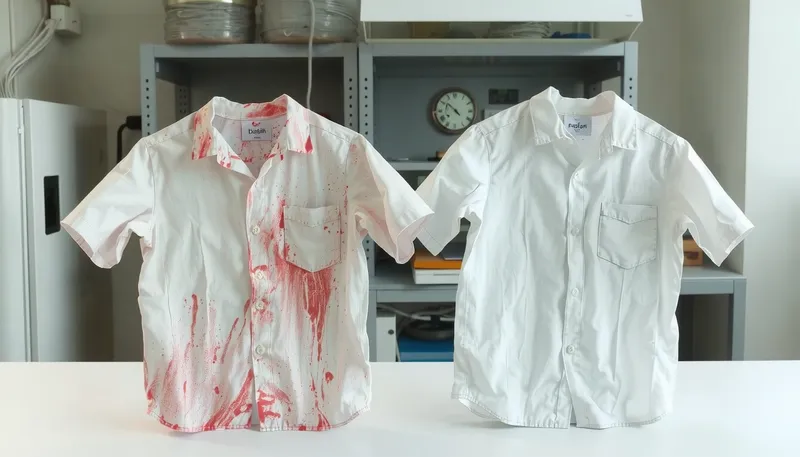
Crocking is when dye transfers from a fabric to another surface through rubbing. The dye gets scraped off. This happens with new dark jeans and bright leggings, but also with any fabric that has poorly set color. The result is a stain you don't want.
Crocking vs. Bleeding
People often mix up crocking with bleeding, but they are different problems. Knowing the difference helps you take care of your clothes the right way.
- Crocking: Happens when fabric is rubbed, whether it's dry or wet. The dye gets scraped from the surface.
- Bleeding: Happens when the fabric gets wet, like in the washing machine. The dye dissolves in water and can then stain other items.
The Science Behind the Stain
Poor fabric color fastness to rubbing is not your fault. It's a problem that comes from making the fabric. It happens for a few main reasons related to the dye and the fabric itself.
The Role of Loose Dyes
The main cause of crocking is extra dye sitting on the surface of the fabric. This dye never formed a strong bond with the fibers. This can happen from a rushed dyeing process or using cheap dyes. It can also happen from not rinsing the fabric enough after coloring. These loose dye particles are ready to transfer with just a little friction.
Fabric Type Matters
The type of fabric also plays a big part. Rough fabrics like heavy denim or some canvas create more rubbing. They are more likely to crock. Smoother fabrics often perform better. Because of this, different materials naturally have varying levels of color fastness. Polyester often shows less color transfer than cotton.
The Solution: Find Quality with Better Dye Bonding
You don't have to live with clothes that leave stains. By understanding how quality is measured, you can choose fabrics that last. These fabrics keep their color to themselves.
Measuring How Well It Works: The Grade Scale
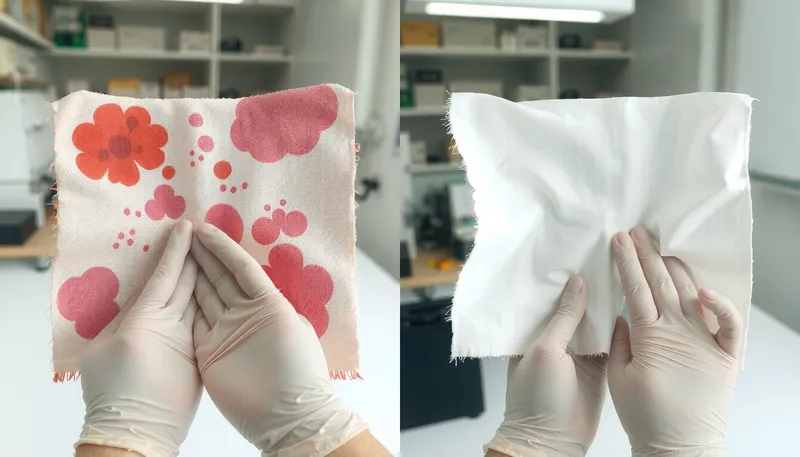
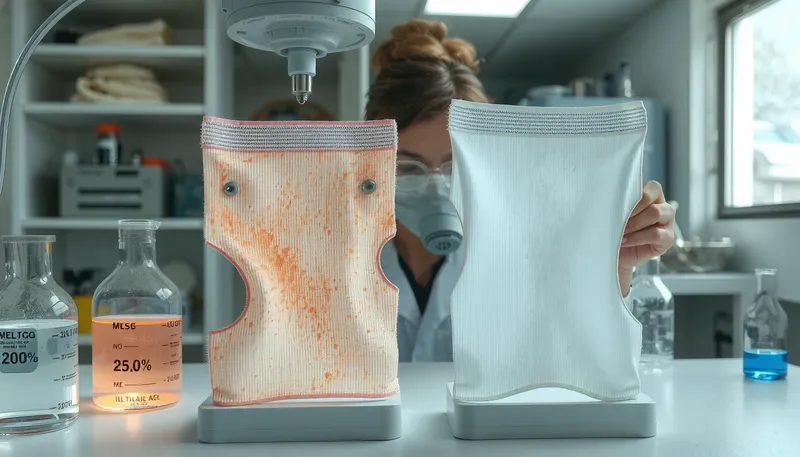
The clothing industry measures fabric color fastness to rubbing using a 1-to-5 grade scale. This grade tells you how much color moved during a test. The video below shows how this test works for both dry and wet conditions.
These grades come from standard test methods like AATCC 8 and ISO 105-X12.
- Grade 5: Excellent (No color transfer)
- Grade 4: Good (Slight color transfer)
- Grade 3: Fair (Some transfer, often the lowest standard)
- Grade 2: Poor (A lot of transfer)
- Grade 1: Very Poor (Heavy color transfer)
A Quality Example: D036 Acid Print
The key to stopping crocking is a strong bond between the dye and fabric. Modern fabric tech offers great solutions. A good example is the D036 Acid Print process.
This advanced technology is made for better color retention. It creates a very strong bond that locks dye into the fabric fibers.
Fabrics treated with D036 Acid Print consistently get a Grade 4 on the wet rub test. This is a high quality mark. For you, this means the color stays put. Even when you're sweating at the gym or get caught in light rain, it won't transfer to your skin, car, or furniture. This makes it a top choice for reliable workout clothes and everyday wear.
What You Can Do: A Smart Buyer Checklist
While technology provides the best fix, you can take simple steps to avoid crocking problems.
- Check the Label: Look for any quality claims or notes on color keeping.
- Do a Quick "Crock Test": In the store, rub a white tissue on a hidden spot of the clothing. If color comes off, be careful.
- Wash Before You Wear: Always wash dark, bright clothes separately for the first few washes. This removes loose surface dye.
- Use a Throw Blanket: For peace of mind, put a throw on light furniture when wearing new, dark items.
Common Questions
What is a "good" color grade for clothing?
A Grade 4 or 5 is excellent. For most clothing, a Grade 3 (dry) is the lowest pass. But for items with lots of rubbing like leggings or furniture, a Grade 4 or higher is much better. This is especially true for wet rubbing.
Can I "set" the dye in clothing that crocks?
Home fixes like vinegar or salt soaks are mostly myths for modern dyes. The problem starts in the factory. The best you can do is wash the clothing a few times to rinse away loose surface dye.
Are more expensive clothes less likely to crock?
Not always. Price doesn't guarantee good fabric color fastness to rubbing. Brands focused on quality control and better materials are more reliable. But you can find crocking in both cheap and expensive clothes.
How do I remove crocking stains from my sofa?
Act fast. For fabric, blot the stain, then gently clean with a mix of clear dish soap and water. Always test on a hidden area first. For leather, use a cleaner made for leather to avoid damage.
Why is wet rub keeping often worse than dry rub keeping?
Water acts like a vehicle for loose dye. It helps break the weak bonds of surface dye particles and moves them more easily to another surface. This is why a good wet rub grade is the true test of fabric quality. This makes Understanding Color Fastness to Rubbing essential.
Written by Forall Lab
© Forall Lab • Powered by Kunpeng ONE