It has been a common desire for production managers to get sharp, durable prints on nylon in 2026. The route, however, can be bendy. This is particularly the case for digital printing on nylon mixed with spandex. Sometimes, it results in faint lines and poor colors.
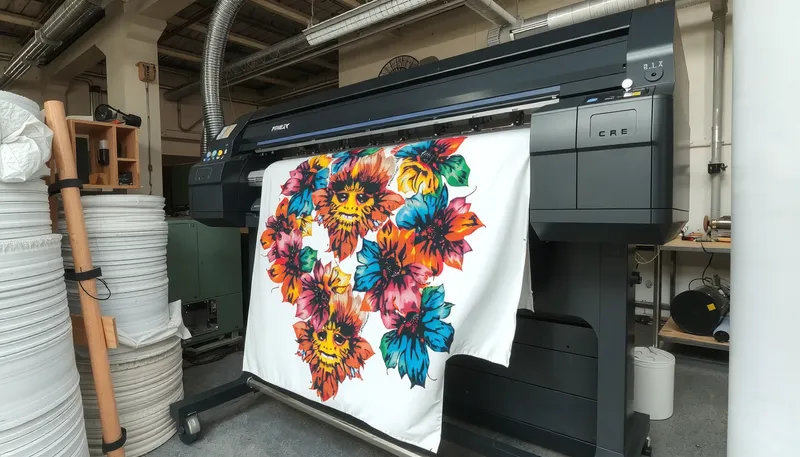
The key factor for achieving success is not only the printer, of course. It equally lies in the careful preparation of the fabric surface. The nylon must be regarded as a "canvas" waiting for the presentation of art. This guide is your all-in-one solution. It addresses the material's challenges, the need for a pre-treatment, chemical solutions, and finally, the right process from the very beginning to the end.
Main Takeaways
- It is necessary to treat the nylon fabric with a specific pre-treatment as if it were a "canvas" to get sharp lines.
- The cationic pre-treatment, such as D036, is the way to achieve an even surface for the ink.
- The ideal ink for nylon is acid dyes, as they bond chemically and give bright, long-lasting col.
- The overall process is pre-treatment, printing, steaming, and washing.
The Main Problem: The Cause of Nylon's Resistance to Sharp Printing
Nylon is indeed a good material. Yet, there are some cons for printing sharp digital images on it. To solve these problems, you need to first get a grasp of the fabric's basic properties.
- Water-Repelling Nature: The polymers of nylon do not absorb water at a desirable level. Of course, these fibers have a non-porous tendency and repel water, which causes issues with using water-based printing inks. As a result, the ink is not absorbed into the fibers but rather lies on the surface instead.
- Low Surface Energy: Nylon's surface is slick and smooth. This is the reason why ink droplets do not spread out but bead up. Say, like water on a freshly waxed car. This beading results in fuzzy edges and missing sharpness in the final outcome.
- Heat Sensitivity: Compared to many other fabrics, nylon has a lower melting point. Heat-setting is the curing process which is required for fixing the colors. If it is not done correctly, it may adversely affect the fabric by pulling it, or even melting it.
- Stretch in Spandex Blends: While dealing with digital direct printing on nylon spandex, a vital factor is the fabric's stretchability. If the fabric is not taut enough when it moves through the printer, the picture can get skewed.
The "Canvas" Secret: Making the Surface D036 Pre-Treatment
Blurred lines can be overcome by changing the fabric's surface before printing. You need a smooth surface that grabs ink well. A pre-treatment solution is the industry secret. D036 is the "Canvas."
What is "D036"? What Makes It the Key to Getting the Best Lines?
D036 is not a specific product. This term refers to a range of unique pre-treatment solutions that are generally found in the textile industry. These pre-treatments are cationic, which basically means that they carry a positive charge. Their main role is to change the surface structure of the nylon fabric completely.
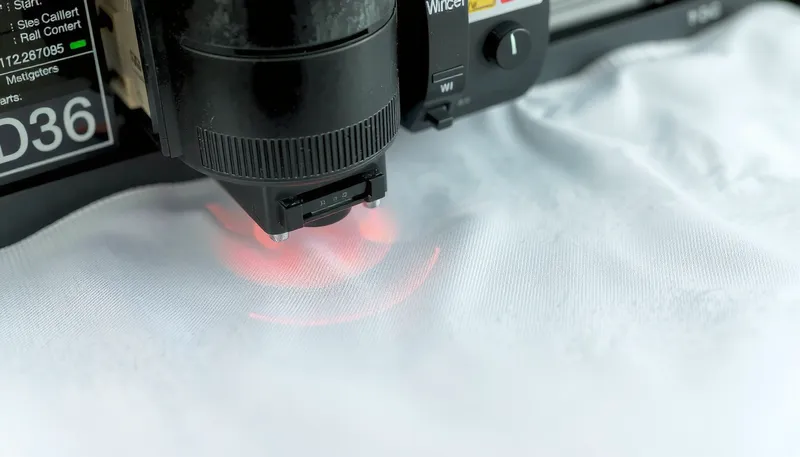
Consider this analogy. The process of printing on untreated nylon is like painting on glass. The paint won't stick and will bead up. D036 plays the role of the primer. It creates an extremely thin and porous layer on the fabric. This type of surface is energied. It means that it can attract and hold the ink exactly at the place where the print head was spraying it. Thus, you achieve sharp lines without any problems.
The Step-by-Step Application of D036
It is critical to apply the pre-treatment in the right way. Each step is of the utmost importance when it comes to creating a perfect canvas for your prints.
-
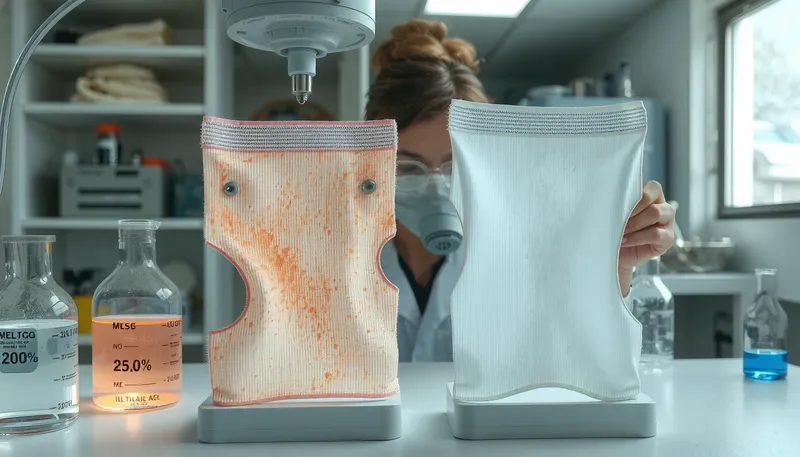
Preparation and Mixing: First, you need to mix D036 solution with water. The proper ratio depends on the fabric's weight and the amount of ink you feel like using. A heavier fabric or a design with deep colors might need a stronger mix. Always check the solution's thickness to make sure it can be applied evenly.
-
Application Method: You can apply the solution in a few ways. For high-volume production, a padding machine works well. It runs the fabric through a bath of the solution. Then it squeezes out the excess. For smaller jobs, spraying can work well. The goal is to get the fabric to absorb a consistent amount of the solution.
-
Drying the "Canvas": After application, the fabric must be dried evenly. This step is just as important as the application. Use a tenter frame or oven to dry the fabric at a controlled temperature. Usually between 100-120°C. It is vital to dry it completely. But avoid overheating, which can damage the nylon.
-
The Result: A properly treated fabric will feel slightly different to the touch. It will no longer feel slick. It is now a prepared canvas. Ready for the digital printing on nylon process.
The Complete System: Matching Inks and Equipment
Pre-treatment is only part of a complete system. You also need the right inks and equipment to get professional results.
Ink Selection: Acid Dyes for Nylon
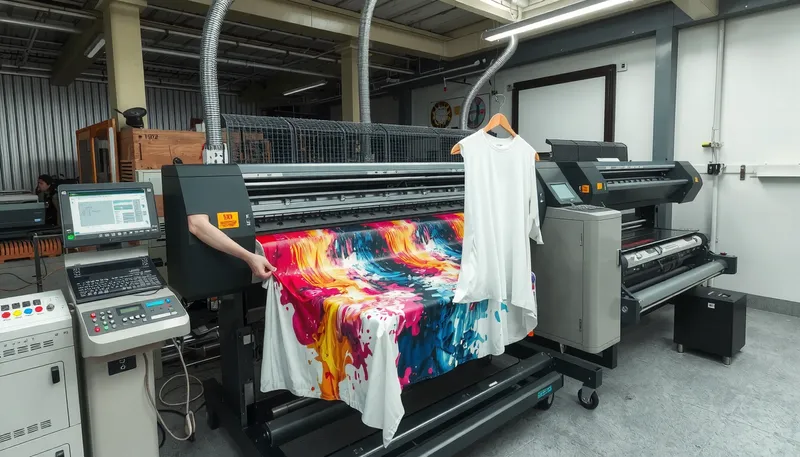
Once your "canvas" is prepped, Acid Dyes are the best choice for printing. They are designed to work with nylon's chemical makeup. These dyes form strong chemical bonds with the nylon fibers. This results in bright colors and excellent durability. When done correctly, there are the numerous benefits of digital printing on nylon.
| Ink Type | Color Brightness | Wash/Chlorine Resistance | Best Use |
|---|---|---|---|
| Acid Dyes | Excellent | Excellent | Swimwear, Activewear, High-Performance Gear |
| Disperse Dyes | Good | Moderate | Banners, Some Apparel, Not for High-Wear Items |
Post-Processing for Long-Term Results
After the printing, there are two more steps needed to make the print look absolutely nice and become permanent.
The first one is steaming. The printed fabric will be treated with steam of high temperature. It will fix the acid dyes into the nylon fibers for good with this process. If this step is skipped, the colors would wash off easily.
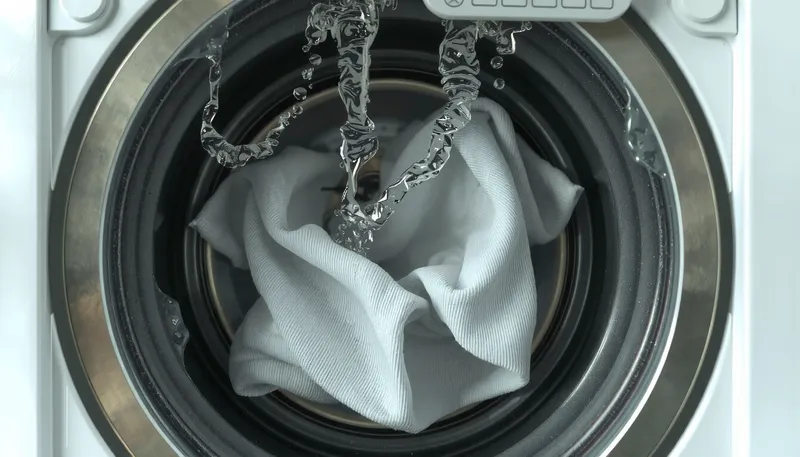
The second step is washing. A complete wash cycle will remove all the pre-treatment chemicals as well as any unfixed ink that is left over. This is essential for obtaining a soft feel. It also gives the fabric an excellent wash resistance. The entire direct printing process on nylon fabric demands meticulous care for these final steps.
From Theory to Reality: Quality Control and the Use of Case Studies
If you are true to this guide, you will surely succeed. But how to measure success and guarantee quality to your clients?
How to Measure Success: Quality Testing
Like most other textile industries, we rely on standard trials for confirming the quality of print. When printing digitally on nylon, you should try and achieve these goals:
- Wash Resistance (ISO 105-C06): This question measures the fading of colors after washing frequently. The better the grade, the more durable the print is.
- Rub Resistance (AATCC 8): This test records cases where some of the color rubs off as the fabric is rubbed, that is, whether the cases occurred when the fabric was wet or dry. This is important for activewear.
- Light Resistance (ISO 105-B02): This is a question about how the colors will fade when they are exposed to UV light. This is of great importance for swimwear and outdoor goods.
Case Study: High-Performance Sportswear
The bright and long-lasting colors as well as the sharp graphics that are seen on the professional clothing did not come about by accident. They were made possible by the latest techniques in printing. Teams and brands require prints that can withstand stretching, sweating, and repeated washing.
For example, high-performance official uniforms for major sporting events are printed directly on nylon. This technology helps their creation. Thus, they can include nice designs that at the same time are usable for elite athletes.
Conclusion: The Scheme to Master Digital Printing on Nylon
Achieving professional results in digital printing on nylon is more of a science than an art. The fabric treatment to be turned into a perfect "canvas" does not depend on guesswork but on planned careful actions. Use a D036 solution. Follow this with the right ink system and proper post-processing. You can create prints that meet the highest standards of quality and durability. With this plan in your pocket, you are now ready to master the process that is hard but oh so rewarding.
Frequently Asked Questions (FAQ)
Can I use DTF (Direct-to-Film) for nylon spandex instead?
Yes, DTF is a possible alternative. This is especially true for smaller runs or shops without full pre-treatment setups. It avoids the need for fabric pre-treatment. However, Mastering digital direct printing on nylon spandex with acid dyes generally gives a better hand-feel. Less of a "plastic" feel. It also gives superior stretch without cracking and higher wash durability. This makes it the top choice for premium activewear and swimwear.
What is the best ink for swimwear made of nylon spandex?
Acid dye ink is the best choice for swimwear without a doubt. It forms a chemical bond with nylon. This provides excellent resistance to chlorine, saltwater, and UV light. It ensures that bright colors do not fade or bleed after many uses in a pool or the ocean.
How do I prevent my nylon fabric from melting during heat curing?
This requires very precise temperature control. Always use a heat press or oven that has been calibrated. For post-print curing (steaming), the heat is transferred by steam. This is gentler than dry heat. When drying the pre-treatment, use the lowest effective temperature (around 100-120°C). Make sure you have good air circulation. This dries the fabric evenly without letting heat build up in one spot.
Why are my colors looking dull on nylon even after pre-treatment?
This could happen for a few reasons. First, the pre-treatment mix may be too weak. It did not create a good surface. Second, the steaming time or temperature might be too low. So the dye did not fully fix into the fiber. Third, you may be using the wrong color profile (ICC profile) for your specific nylon and ink combination. Finally, using the wrong ink type will produce less bright colors on nylon. Like disperse instead of acid.
Is Mastering digital direct printing on nylon spandex difficult for a small shop?
It does present a higher technical challenge than printing on cotton or polyester. The main investment is in process knowledge. Also the extra steps of pre-treatment and post-print steaming and washing. It requires more equipment, like a steamer and wash-off unit. However, the ability to produce premium, high-durability prints on performance fabrics can give a small shop a major competitive advantage.
Written by Forall Lab
© Forall Lab • Powered by Kunpeng ONE