Many surf and swimwear brands are making a big mistake in 2026. They are choosing polyester for their rash guards. Polyester is cheap, but it fails where it needs to work best. It breaks down in salt water and high-friction use. This guide will show you why. We will explain how high-quality Nylon 6, like the D036 grade, is the best choice for strength, comfort, and real UPF protection. For any serious brand sourcing rash guard fabric wholesale, this is the smart choice.
Key Takeaways
- Polyester Breaks Down: Polyester fabric falls apart in salt water and sunlight. It becomes brittle and loses its protective qualities.
- Nylon 6 is Better: Nylon 6 lasts much longer. It resists damage from sand and surfboards. It also feels softer on the skin.
- Look for D036: This industry-standard blend (around 82% Nylon 6 / 18% Spandex) is the gold standard for premium rash guards.
- Protect Your Brand: Choosing a better fabric like Nylon 6 leads to happier customers. You get fewer returns and a stronger brand reputation.
The Hidden Failure of Polyester
The Chemical Breakdown: Polyester vs. The Ocean
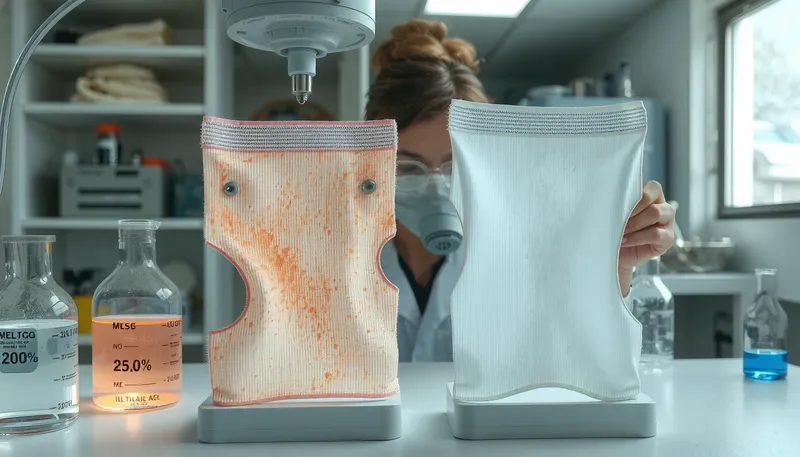
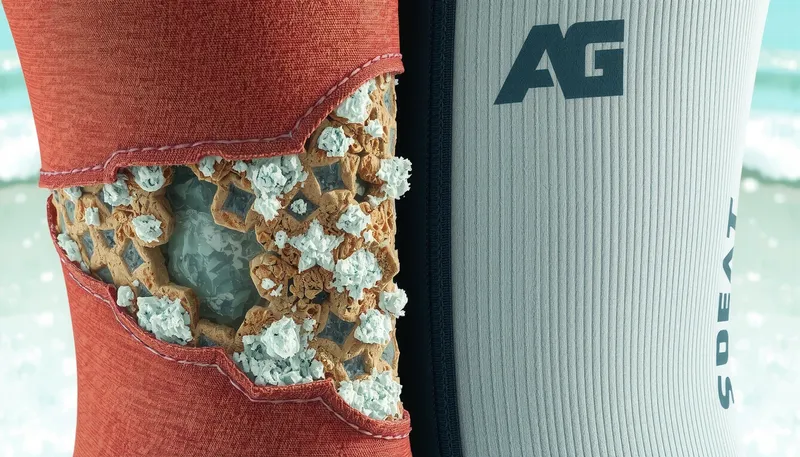
Polyester is a type of plastic made of ester bonds. These are tiny chemical links that hold the fabric together. The problem is a process called hydrolysis. This is where water molecules attack and break those ester bonds.
The ocean makes this much worse. The salt in seawater works with UV rays from the sun. Together, they speed up this breakdown. The result is fabric that gets stiff and brittle. It loses its shape and feels rough against the skin. Sourcing rash guard fabric wholesale made from polyester is a recipe for a product that fails its user.
The unique makeup of salt water is a powerful force. Even in controlled saltwater environments, its effects are significant. Understanding the properties of salt water helps explain why fabric choice is so important for marine clothing.
Beyond Chemical Wear: Physical Failings
Polyester also fails physically. It has low resistance to wear compared to nylon. Contact with surfboard wax, sand, and rough boat surfaces quickly causes pilling. Pilling is when the fibers break and form little fuzzballs on the surface.
This makes the rash guard look old and worn out fast. More importantly, it thins the fabric and weakens its structure. We have seen countless polyester rash guards from budget brands become threadbare after just one season. This leads to poor reviews and customers who won't buy from you again. Don't let this happen to your brand.
The Champion's Choice: Nylon 6
Unmatched Durability and Strength
Nylon is the answer. It is a polyamide, a different type of polymer. The way its tiny parts are linked together gives it amazing strength and wear resistance. Nylon has up to two times the wear resistance of polyester. It can handle friction from a surfboard day after day.
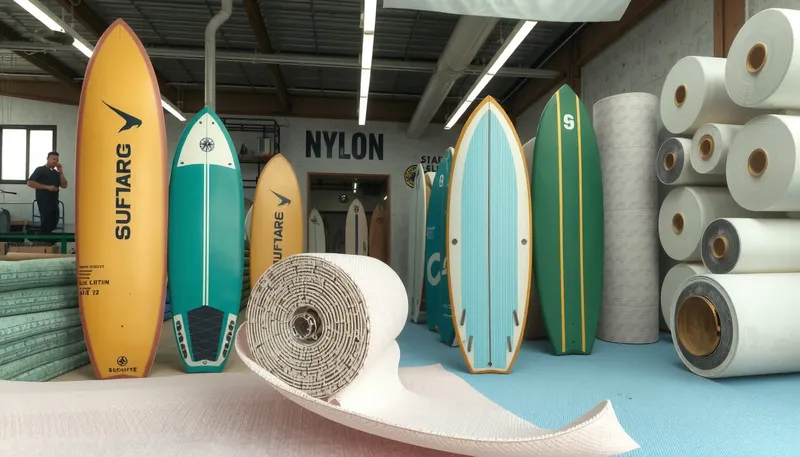
For premium rash guards, look for an industry benchmark material called "D036". This is a specific blend, usually 82% Nylon 6 and 18% Spandex. It offers the perfect balance of strength and four-way stretch. This is the material that high-end surf brands use.
Superior Comfort and a Second-Skin Feel
Performance is not just about strength. It's also about comfort. Nylon has a softer, smoother feel than polyester. Polyester can often feel slick or plastic-like.
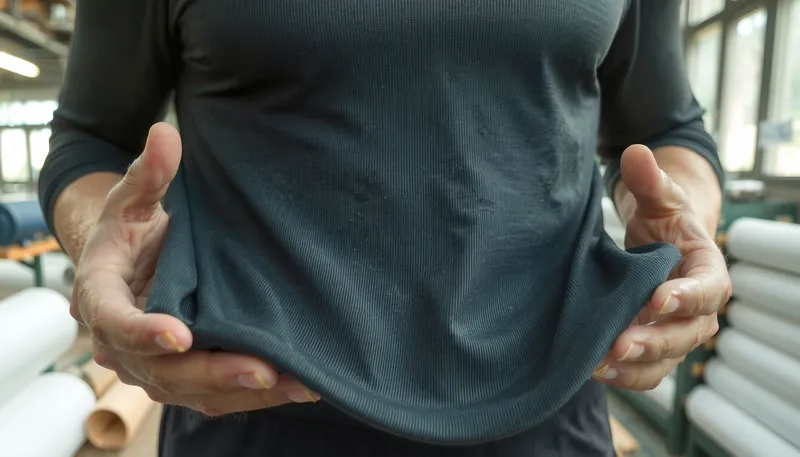
This better hand-feel translates directly to a better user experience. For surfers or swimmers spending hours in the water, a comfortable, "second-skin" feel is essential. It prevents chafing and allows for total freedom of movement.
Guaranteed UPF 50+ Protection That Lasts
Both fabrics can be made with a UPF 50+ rating. But what happens after a few months of use? Polyester's weakness comes back to haunt it. As the fabric thins from wear and chemical breakdown, its tight weave loosens. This reduces its ability to block harmful UV rays.
Nylon's durable weave holds its integrity. The UPF 50+ protection you promise on day one is the protection your customer still has a year later. When you build a brand on quality, you need a fabric that keeps its promises.
Head-to-Head Fabric Analysis
This table breaks down the key differences for any business owner looking at rash guard fabric wholesale options. The choice is clear.
| Feature | Nylon 6 (The Gold Standard) | Polyester (The Budget Compromise) |
|---|---|---|
| Salt Water Durability | Excellent: Resists breakdown; keeps its strength. | Poor: Degrades over time, becomes brittle. |
| Abrasion Resistance | Excellent: Superior resistance to pilling from sand/wax. | Fair to Poor: Prone to pilling and snagging. |
| Long-Term UPF | Excellent: Weave integrity maintains UV block. | Good to Fair: Degrades as fabric thins and breaks down. |
| User Comfort / Feel | Superior: Soft, smooth, "second-skin" feel. | Good to Fair: Can feel slick and less breathable. |
| Chlorine Resistance | Good: Effective, though pure polyester is slightly better. | Excellent: Primary advantage is in chlorinated pools. |
| Brand Perception | Premium: Associated with high-quality, durable gear. | Economy: Associated with mass-market, lower-quality products. |
A Practical Guide to Sourcing
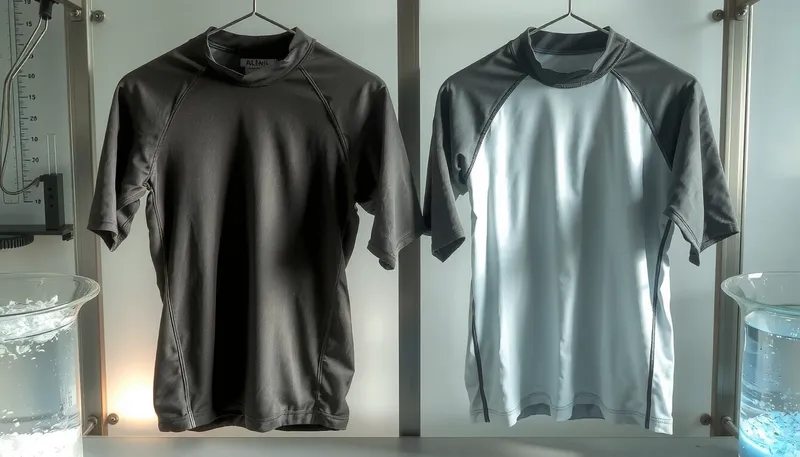
Knowing the right fabric is the first step. Next, you need to find it and ensure you are getting what you pay for.
What to Ask Your Supplier
When you contact a supplier for rash guard fabric wholesale, use these questions to protect your business and your brand.
- "Can you confirm this is a Nylon 6 blend, not Nylon 66 or another polyamide?"
- "What is the exact percentage of Nylon to Spandex?" (You want around 80-82% Nylon)
- "What is the fabric weight in GSM?" (Grams per Square Meter. Aim for 200-230 GSM)
- "Can you provide a third-party certificate for your UPF 50+ rating?"
Where to Find Wholesale Suppliers
You can source material from fabric mills or work with full-package manufacturers who make the finished product for you.
Large B2B platforms can be a good starting point. For example, Alibaba offers a huge directory of Rash Guard Fabric Wholesale(999+) - Alibaba.com suppliers. You can search specifically for Nylon 6, but always vet your suppliers carefully and order samples.
For brands looking for finished products, companies that specialize in Wholesale Rash Guards | Custom Printed Rash Gua... (myrashguards.com) can be a more direct route. Additionally, some suppliers offer low minimum order quantities (MOQs), which is perfect for startups. You can find options for Bulk Rash Guards Wholesale | Low MOQs (skswholesales.com) to help manage inventory and costs as you grow.
Conclusion: Build Your Brand on Quality
The choice is clear for any surf or water sports brand in 2026. If you value performance, durability, and customer happiness, the conversation must start and end with Nylon 6.
Stop the cycle of using cheap polyester. It degrades in the sun and salt, damaging your products and your brand's reputation. Make the switch to the gold standard. Your customers, your reviews, and your bottom line will thank you. Choosing the right rash guard fabric wholesale is the first step to building a brand that lasts.
Frequently Asked Questions (FAQ)
Is Nylon 6 fabric significantly more expensive than polyester?
Yes, Nylon 6 has a higher upfront cost per yard. However, this is an investment in quality. The superior durability leads to fewer returns, better customer reviews, and stronger brand loyalty. This provides a much greater long-term return than cheaper, failure-prone polyester.
What exactly is "D036" fabric?
D036 is an industry name for a high-quality, four-way stretch knit fabric. It is typically made of about 82% Nylon 6 and 18% Spandex. Manufacturers recognize it as a benchmark material for premium rash guards and performance activewear.
You attacked polyester for salt water, but is it okay for pool-only swimwear?
Polyester's main strength is its high resistance to chlorine. This makes it a good choice for competitive swimwear used only in pools. But for a versatile rash guard meant for the ocean, beach, and pool, Nylon 6 offers the best all-around performance and durability.
How can I verify a supplier's UPF 50+ claim?
Always ask for third-party testing certificates. Reputable fabric mills and manufacturers will provide documents to prove their fabric meets the claimed UPF rating. Do not just take their word for it.
What does GSM mean for rash guard fabric and what should I look for?
GSM stands for Grams per Square Meter. It tells you the fabric's weight and density. For a durable yet comfortable rash guard, a GSM of 200-230 is the ideal target. A lower GSM might not be durable, while a higher GSM could feel too heavy for high-performance activities.
Written by Forall Lab
© Forall Lab • Powered by Kunpeng ONE