The Necessity of High-Stretch, Low-Pressure Fabric in Activewear for Pregnant Women
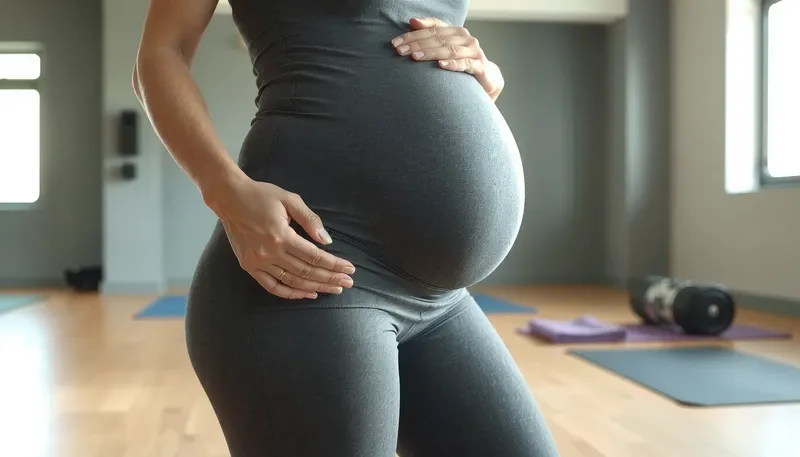
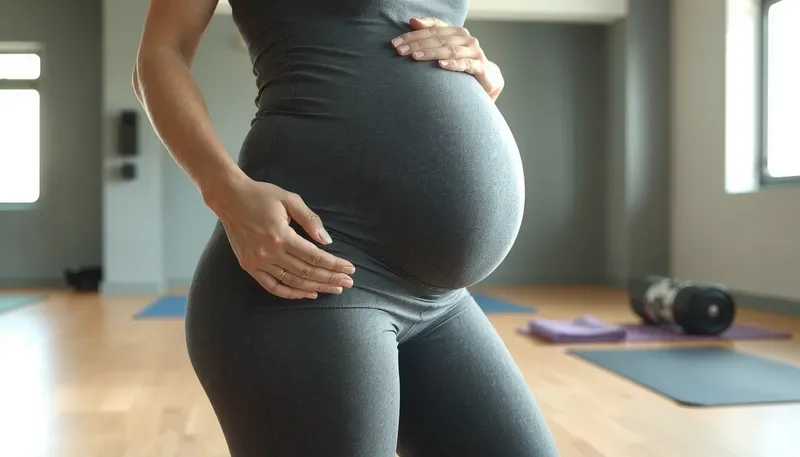
Keeping fit during pregnancy is a wonderful thing. However, one of the biggest problems is the lack of comfortable clothes. As the abdomen expands, it is necessary to make sure it is not squeezed. While common workout gear was not designed for this path, the solution is. "Designing for Two" is a mode that focuses on your body that is constantly changing. This article is a guide to selecting a fabric for maternity sportswear. Apply this guide to fabrics that stretch but do not pressure you. Feeling well-supported is one way to go through every point of pregnancy in 2026.
Main Points
- Regular workout clothes that are just larger than normal sizes usually do not do the job. They regularly dig in and even change shape.
- The ideal maternity activewear fabric for pregnant women is one that has a vast amount of elasticity but does not compress. It follows your belly's growth.
- Remember four basic features: 1) stretch in all directions, 2) light support, 3) optimal airflow, and 4) smoothness.
- The emergence of materials like Air Layer fabric is a big blessing for expectant mothers. They are made to allow you considerable space to grow without any pressure.
The Issue with Prevalent Activewear
You have probably had the experience. The stomach is under pressure that used to be perfect for the waist. Buying larger sizes of usual workout clothes does not help much at all. This is mainly the reason that the plan to get bigger sizes doesn't work for the growing baby bump.
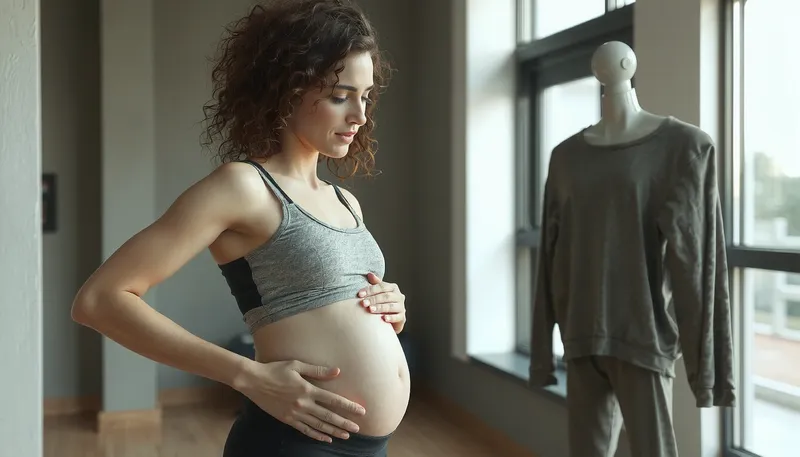
- Tension: Regular workout clothes are made to squeeze and hold muscles. This pressure can feel very much like "cutting in" on the soft, growing belly.
- Bad Shape: A number of fabrics expand over the bump but do not return to the original size. This leads to some parts like the thighs and back looking untidy and loose.
- Yoga Pants Issues: Regular high-waisted leggings are the worst as they are the ones that dig the most. They are usually right in the middle of your bump and this leads to pain.
- Skin Issues: As your skin expands, it is more sensitive. Some regular synthetic fabrics can scratch your skin or make you too hot.
The 4 Basic Principles of Ideal Maternity Fabric
For optimal comfort and support, when you are "designing for two" and trying to find the right maternity activewear fabric, concentrate on these four main features. They are the foundation of real comfort and help when you are "dressing for two".
- Excellent 4-Way Stretch: The fabric must be able to stretch quickly in any direction. This makes it possible to grow with you without struggling or pulling.
- Gentle, Low-Pressure Support: This is not about tight squeezing. The main goal is to create a "hug" that gently supports the weight of your belly without a "squeeze" that limits it.
- Good Air Circulation: One of the things you get when you are pregnant is that your body temperature might go up. The breathable, sweat-wicking fabric is essential to keep you cool, dry, and comfortable.
- Constant Softness: The area around your abdomen may get itchy and sensitive. A fabric surface that is smooth and soft minimizes rubbing and feels better on your skin.
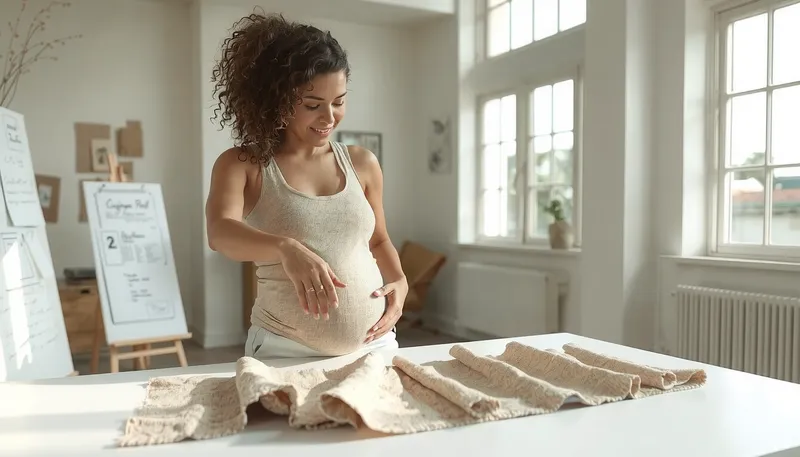
The Fabric Revolution: Air Layer Technology
The development of fabric technology provides some fabulous options for mothers-to-be. Air Layer fabrics consist of one special three-layer knit. This is an innovative knitting technique that produces a layer of air in the middle of the fabric.
This unique setup allows the fabric to grow a lot more without the skin-tight feeling that other knits generally produce. It adds bulk and stretch with very little tension. While many articles mention the best types of fabric for maternity clothing like cotton, high-performance knits offer better hold and support.
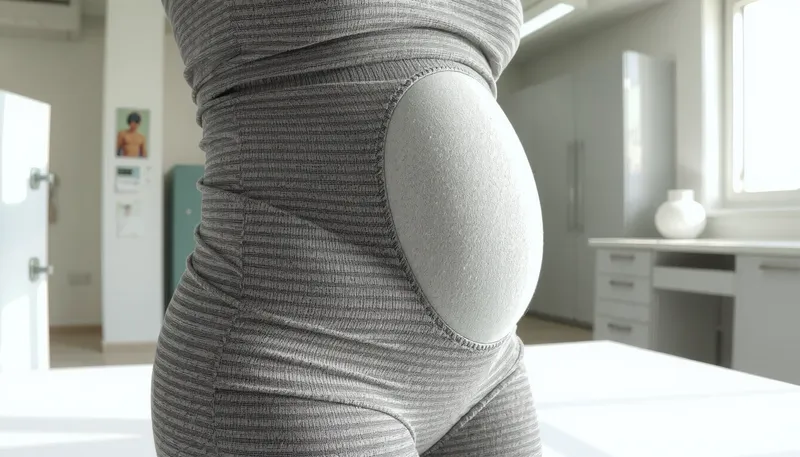
A typical example of this cutting-edge is seen in fabrics specifically designed for that purpose. The Air-Sculpt 34™ | Anti-Yellowing Nylon Spandex Air-Layer Fabric (Molded Bra Cup Ready) is a product of our technology "Mochi-Touch" with a liquid-smooth touch. It expands beautifully without putting on any pressure. Thus it stays true for maternity activewear.
Reviewing Your Fabric Options
Fabric labels come in handy when selecting the most appropriate fabric type. Here is a quick guide to the common materials bought mostly at maternity leggings.
| Fabric Blend | Pros | Cons |
|---|---|---|
| Cotton/Spandex Blends | Soft, breathable, natural feel. | Can stretch out and lose shape, slow to dry. |
| Polyester/Nylon/Spandex | Good, durable, and stretchy, absorb moisture easily. | Varying quality; may feel less breathable. |
| Advanced Knits (Air Layer) | Maximum stretch with minimal pressure, lightweight. | Typically found in premium brands; higher price. |
Top companies often make their own cloth combos for a specific yield of quality. This can be observed in plenty of specialized maternity activewear series that focus on both feel and function.
Frequently Asked Questions (FAQ)
1. What's the best maternity activewear fabric for hot weather?
Answer: Look for lightweight fabrics that breathe well and pull away moisture. Advanced synthetics like fine Nylon/Spandex blends or special Air Layer fabrics are great choices. They pull sweat away from the skin better than cotton, which can hold moisture.
2. Can I just wear my partner's large sweatpants?
Answer: While they might be comfy for the couch, men's clothes are not built for a pregnant body. They don't have targeted support for your belly and back. The fit is often poor in the hips and legs. This makes them bad for workouts.
3. What does "low pressure" mean in a fabric?
Answer: It means the fabric stretches to fit your shape without squeezing tightly. The material expands with you. It gives a gentle hold instead of strong pressure. This is key for comfort and healthy blood flow over a growing belly.
4. How do I care for high-stretch maternity activewear fabrics?
Answer: To keep the fabric's stretch, wash it in cold water on a gentle cycle. Don't use high heat in the dryer. Air drying is the best way to keep the material's shape and stretch for a long time.
5. Should I choose over-the-bump or under-the-belly leggings?
Answer: This is a personal choice. Over-the-bump styles offer gentle, built-in support and are often liked in later months. Under-the-belly styles can feel less limiting and are great for early pregnancy. The key for either style is picking the right material. The variety of maternity fabric choices makes sure both designs can be comfy if the fabric is soft and low-pressure.
Written by Forall Lab
© Forall Lab • Powered by Kunpeng ONE