For an activewear brand in 2026, fabric choice is the primary contributing factor in a sports bra's functionality. This is no longer a mere choice; this is a decisive business choice. Fabric is the right element to contribute more to customer happiness, cut return units and show customers your brand quality. In essence: the structure of the fabric needs to mirror the intention for its use. The operative plan for the product development is the very much same: Low Impact equals Jersey, and High Impact requests Interlock or Air Layer constructions. This guide will dissect this fully.
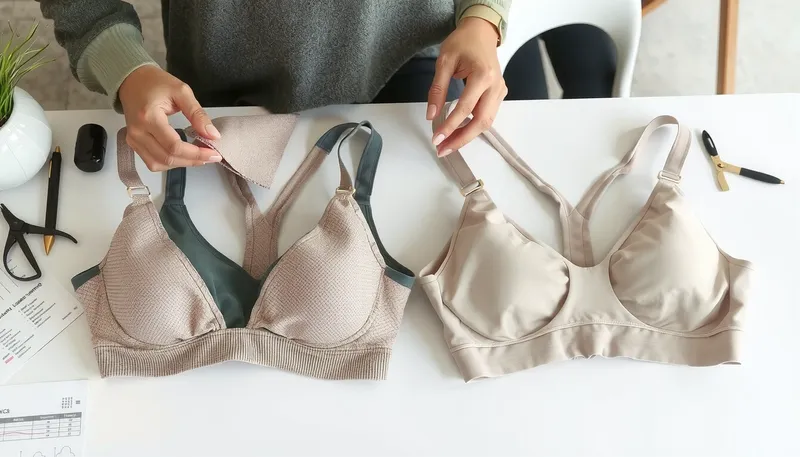
Important Takeaways
- Fabric to Use: The first and foremost decision is to match the knit structure of the fabric to the impact level of the sports bra.
- Low-Impact Rule: For yoga and pilates, Single Knit (Jersey) is the right fabric due to the comfort and flexibility that it offers.
- High-Impact Rule: For running and HIIT, Double Knits like Interlock or Air Layer are to be used for optimal support and bounce control.
- Key Fabric Measures (KPIs): The textiles should be judged on criteria like durability, hand-feel, moisture wicking, and support.
- The High-Impact Leader: The premium Air Layer fabric is the only one that can give the designer such a level of support for high-impact design.
The Concept: Fabric KPIs as the Main Command of Sports Bra Success
The best fabric for sports bras remains a concept among many balancing different technical properties. But on the product development scales, these are the key performance indicators (KPIs). Thus thinking beyond simple terms enriches consumer satisfaction and increases sales for your business.
- Support & Compression: This is the fabric's gadget for minimizing the up-and-down movement of the breast. The compressive aspect comes right from the fabric's individual weight (GSM) and knit structure.
- Moisture Management: This measures the fabric's ability to transfer heat and moisture to the air outside while releasing sweat from the skin. It is vital for comfort and for the reduction on painful chafing.
- Durability & Recovery: This refers to the fabric's properties, which allow it to survive repeated stretching, washing, and skin oil contact. A poorly recovering fabric will "bag" out and lose its support qualities quickly.
- Hand-feel & Comfort: This is the wearing experience of touch. Is it soft, smooth, cold, or does it constrict? This is the very first impression that the user gets.
High Impact vs. Low Impact: A Fabric-First Framework
The first thing we need to do is to define the activities. Low-impact includes yoga, Pilates, and walking. High-impact activities include running, HIIT, and sports with jumping. The central point of interest for any product developer is the fact that: among all types of knit construction, the fabric's knit construction is the most critical parameter in determining which impact level the fabric is preferred to. High Impact vs Low Impact therefore is a knit-based decision tree.
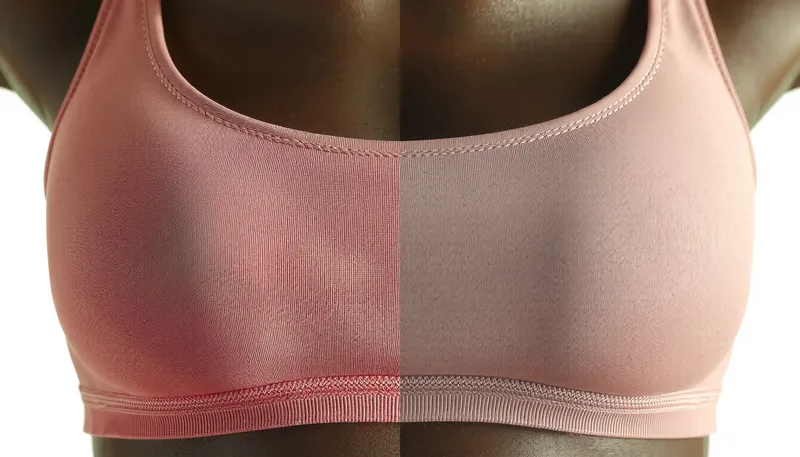
The following table shows an effective plan for your development procedure.
| Feature | Low-Impact (e.g., Yoga) | High-Impact (e.g., Running) |
|---|---|---|
| Primary Need | Comfort & Flexibility | Maximum Support & Bounce Control |
| Ideal Knit Structure | Single Knit (Jersey) | Double Knit (Interlock, Air Layer) |
| Compression | Low to Medium | High |
| Fabric Density | Lighter (180-220 GSM) | Heavier (250-330+ GSM) |
| Recovery | Good | Excellent / Must-have |
Regardless of impact level, modern synthetic fabrics are better than natural fibers like cotton for active use. The consensus among the experts regarding breathable fabrics for bras is that materials designed specifically for moisture-wicking and quick drying are essential for performance and comfort.
The Low-Impact Standard: The Comfort of Jersey Knits
For low-impact sports bras, Jersey knit is the industry standard for a reason. Jersey is a single-knit fabric. This means it has one layer of interlooping yarns. This simple structure gives it a characteristic softness and fluid drape.
It excels for low-impact activities due to its few unique properties. The soft touch this fabric provides translates into exceptional comfort, which is highly relevant for yoga. The structure of the fabric also offers an excellent stretch that moves with the body. The relatively free nature of the fabric ensures good airflow and breathability.
One development aspect is that you need to know its limits too. Jersey has less compressive power and low integrity as compared to the double knits. In the end, it is not the right choice for high-impact designs where bounce control is a must.
High-Impact Engineering: Interlock and Air Layer Knits
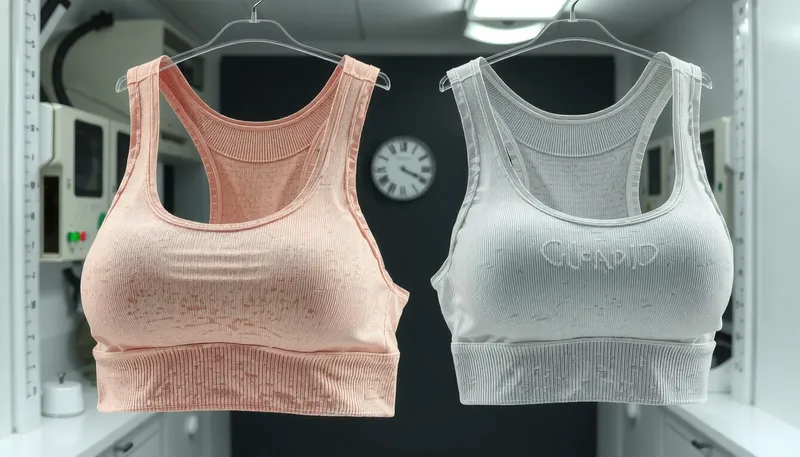
On the other hand, the high-impact activities require fabrics that are engineered with superior density, structure, and recovery. That is where you go beyond the basic knits and into performance textiles. Selecting the best fabric for sports bras here is primarily about double-knits.
The Horsepower: Interlock High Compression
Interlock is a kind of double-knit fabric. You can imagine it as two layers of a jersey fabric knitted back and forth. This represents a much denser, stable, heavier material. It has a smooth look on both sides.
From a development perspective, interlock gives a fully "locked" in feeling. It helps a lot to keep both vertical and transverse motion of the breast to a minimum. That feature is something that the users could feel right away through the wear-testing which was applied instead of just a single jersey. Its stability and outstanding recovery give the bra an unchanging shape and support through hard workouts and many washes.
The Privilege of Support: Air Layer (Scuba) Fabric
Air Layer, also referred to as Scuba, which has one of the most advanced structural support for outstanding support. It has a unique structure of two separate knit faces, which are connected by a fine spacer yarn. This is a thicker, loftier fabric that feels surprisingly lightweight.
In addition to being structural, Air Layer is also functional. A unique feature of this fabric is that it is an innovatively formed supporting fabric. The knitted face on the outside is smooth and dense, so it is good for molded cups while the sculpted silhouette is clean. Moreover, it elevates the final look and feel of the product with a high-end, technical finish. Air Layer is the maximum bounce control champ, and its use in designs where this is the goal is unrivaled.
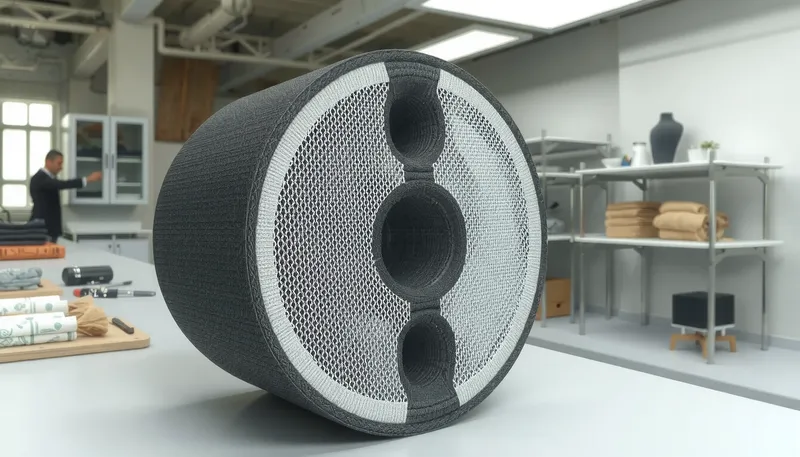
It is this type of material specificity where textiles increase. For instance, fabrics with the Air-Sculpt 34™ | Anti-Yellowing Nylon Spandex Air-Layer Fabric demonstrate this advanced technology at its best. This is a technology miracle. It provides an experience of "Mochi-Touch" that scuba fabric can't come even close to. The innovation of using a different material for the exterior and interior of the garment is an engineering breakthrough. It allows for maximum support with a lightweight feel and a premium touch.
A Product Developer's Fabric Selection Checklist
To transition from theory to practice, utilize this checklist while assessing fabric swatches for your upcoming sports bra project. This practical tool will ensure that you make a strategic choice rather than an aesthetic one.
- [ ] Intended Impact Level: Is this for Low, Medium, or High impact?
- [ ] Knit Structure: Is this a Jersey, Interlock, or Air Layer? Is the structure matching the impact level?
- [ ] Fiber Composition: Are you selecting Nylon/Spandex for the soft and premium feel or Polyester/Spandex for strength and bright prints?
- [ ] Fabric Weight (GSM): Does the weight correspond to the target? (e.g., 250+ GSM for high impact).
- [ ] Stretch & Recovery Test: What happens when you stretch the fabric to its limit? Does it snap back right away?
- [ ] Grin-Through Test: When the fabric is stretched, does the color fade or does the underlying structure peek through? This indicates poor quality.
- [ ] Hand-Feel: Is the hand-feel as per your brand's stated interest such as highly compressive, cool and slick, or buttery-soft?
Do not forget that testing is vital. Feedback from the sewing and small-maker community confirmed that even seasoned creators often use layers of power mesh to add support when the main fabric is not strong enough. Testing will confirm your choice.
Conclusion: Your strategic choice for performance and brand
In brief, the strategy behind creating the product with the best fabric for sports bras is clear. You need to identify your High Impact vs Low Impact focus before you start even to choose a swatch.
The simple tool from this guide is your roadmap. Use Jersey for comforting designs that give priority to low impact and flexibility. Make the most of Interlock and Air Layer fabrics for high performance, high impact products that will keep their support promise. Choosing these fabrics wisely is what differentiates good activewear from great activewear in 2026. The ultimate step is making sure that the product does its job. This is a key factor for choosing a moisture wicking sports bra.
FAQ: Your Sports Bra Fabric Questions Answered
What's the difference between Nylon and Polyester for sports bras?
Nylon generally offers a softer, more luxurious hand-feel and excellent durability. It is often seen in premium products. On the other hand, polyester is also very durable and excels at moisture-wicking. It also typically holds vibrant, printed colors better. This makes it a great workhorse material.
Is cotton a good fabric for sports bras?
No. While comfortable for casual wear, cotton absorbs and retains moisture. For any level of activity, this results in a heavy, wet fabric that can cause chafing, chilling, and significant discomfort. Go with synthetics for activewear.
How much spandex (or elastane) should a good sports bra fabric have?
You should look for a spandex or elastane content of 15-25%. Any less than 15% might not give adequate stretch and recovery for a proper fit. On the other hand, over 25% may sometimes feel too tight or "rubbery". They may also impact the fabric's breathability.
Can you use the same fabric for leggings and sports bras?
Often, yes. This is especially true for low-to-medium impact sets where the desire for a consistent look and feel exists. But, for the high-impact sports bras, you will almost always need a fabric with a higher GSM (weight) and more compressive structure than what is typically comfortable for leggings.
What does GSM (Grams per Square Meter) mean for sports bra fabric?
GSM is a gauge of weight and density for the fabric. A higher GSM might mean 250-330 heavier and denser fabrics. Higher weights generally result in greater composite strength and therefore, this fabric is suitable for high-impact bras. In contrast, light GSM fabrics (like 180-220) work best when breathability and lightness are the primary concerns.
Written by Forall Lab
© Forall Lab • Powered by Kunpeng ONE