Whether it's a brand or a price tag, what separates the excellent riding pants from the great ones really is not that. The difference is in the fabric. Equestrian breeches fabric that is made to ensure safety and full movement for any pro rider by 2026 is a real puzzle. When it comes to keeping the grip, support, and stretch required for peak performance, the fabric can't simply lose them. This article is a breakdown of the main fabric requirements to go riding in style. Apart from durability, we will also look into stretch, shape retention, and comfort.
Key Takeaways
- Structure is Key: Riding pants require more construction strength than leggings for grip and stability in the saddle.
- Balance is Everything: The best equestrian breeches material should be thick enough to endure wear and tear but flexible enough for movement.
- Blends Matter: Many modern riding pants incorporate synthetic blends (Nylon, Spandex, Polyester) to regulate performance.
- Recovery Prevents Sagging: A fabric's capacity to go back to its original shape is as essential as its stretch.
Core Fabric Requirements for Horse Riding: Not Just About the Stretch
Selecting the correct material is identifying what you truly desire. A premium equestrian breeches fabric needs to blend different functions at the same time to bring you the required support during a riding session.
Structure & Grip
Riding entails a fabric that is more than ordinary gym clothes. Equestrian pants provide extra support by feeling secure and preventing bunching for a clean look like a professional's. Therefore, this structure allows you to match leg position stability perfectly with the pants. The current top synthetic materials are designed to give that comfort that the pants won't feel restricting and safe at all.
4-Way Stretch & Recovery
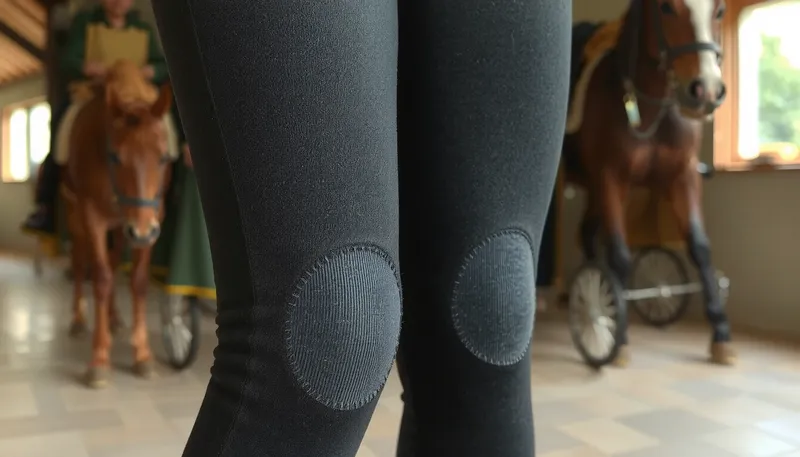
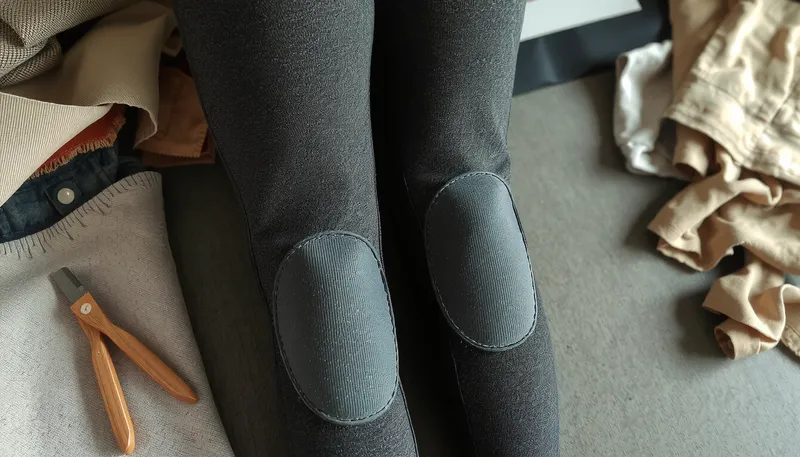
Ability to move freely is indispensable. The 4-way stretch fabric allows you to move in all directions. Support alone is less than enough. The fabric must also have to recover well. It should be able to return to its initial shape. If the elasticity of the fabric is low, the knees of the pants will get baggy or they will sag after a long day.
Durability & Pilling Resistance
Riding brings along friction. Your pants will always be in contact with the saddle, boots, or horse. A high-quality equestrian breeches fabric must have the endurance to resist abrasive damage and pilling. This is what allows your equipment to look and remain in good condition for an extended period.
Breathability & Moisture Management
Comfort makes it easier to concentrate. High-technical fabrics work by pulling the sweat away from your skin to the outside surface of the fabric, evaporation sets in. This management of sweat helps to keep you dry and cool while preventing uncomfortable chafing when riding for a long time.
Dissecting Common Horse Riding Pants Fabric Blends
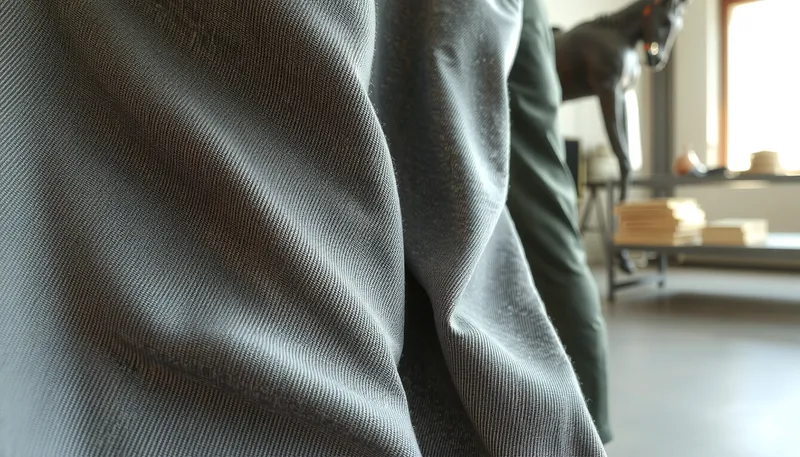
Equipped with technically chosen materials, the modern riding pants mix fibers in a smart way. The yarns are selected for each required function. The blends of these materials give a superior result. The knowledge of this allows you to detect what is in the labels and to understand the main functions of the group of fabrics that have an impact on performance performance end result.
The list of blends you can find in performance pants typically has 15-25% Spandex. This seemingly high percentage is simply necessary to get the needed level of both 4-way stretch and recovery when riding.
| Fiber | Primary Role in Riding Pants | Key Benefit for the Rider |
|---|---|---|
| Nylon (Polyamide) | Durability, Abrasion Resistance, Smooth Finish | Resistant to pilling from saddle friction and it will last much longer than ordinary ones. |
| Spandex (Elastane) | Stretch, Shape Retention, Recovery | No restrictions of movement, wearing a 'second-skin' and still not sagging. |
| Polyester | Moisture-Wicking, Colorfastness, Wrinkle Resistance | Keeps your skin dry, retains vibrant colors, no ironing needed. |
| Cotton | Breathability, Softness (less common in performance wear) | Gives you a natural feel, but it may retain moisture and stretch out. |
The Rider's Challenge: Optimal Balance of Thickness & Stretch
The main challenge in designing equestrian breeches fabric is to find the right thickness/stretch balance. It is a common issue faced by riders as well as an area of investigation for fabric engineers.
The Problem with Both Extremes
Thin fabrics like those used in yoga pants can be too flimsy and lack the support for saddle riding. They show no effect, exhibit flaws, and get worn out quickly by rubbing. The absence of grip due to the fabric continually sliding on the saddle is the most noticeable disadvantage.
Conversely, traditional thick fabrics can sometimes be too heavy and hot. These may impede movement and hinder the necessary close contact feel of the riders, making it challenging for them to communicate with their horses.
The Engineering Solution: Structure, Not Bulk
The desired solution is a fabric that is thick enough for durability but stretchy enough for the saddle. This is the main area where modern textile engineering proves its potential. Breakthroughs are achieved by making materials with new constructions that prevent these kinds of problems.
For instance, special performance materials such as the Air-Sculpt 34™ | Anti-Yellowing Nylon Spandex Air-Layer Fabric (Molded Bra Cup Ready) have been developed for this application. The building of this fabric is an air layer, which is peculiar. The end result is a structured solid feel. It is not only a buster of support and longevity but also allows high-performance 4-way stretch fabrics that move as you do to stay with you. Therefore, the rider's puzzle is solved.
Conclusion: Go for a Fabric that is as Hardworking as You
In 2026, the ideal equestrian breeches fabric is a balanced structure. It is not any single characteristic but the right mix of structure, durability, stretch, and breathability that adds up to it. When shopping for your next pair, be sure to look for more than marketing jargon. Let the properties of the material play a significant role in the improvement of your comfort and performance in the saddle. A commitment to high concluding quality and good fabric is a step of investment in your love for the riding sport.
Frequently Asked Questions (FAQ) about Horse Riding Pants Fabric
Can I just wear regular gym leggings for horse riding?
It's not recommended for serious riding. Gym leggings lack the durability, grip, and structure needed for safety and comfort. The fabric often wears out quickly from saddle friction and doesn't provide the supportive feel of proper equestrian breeches fabric.
What is the best fabric for summer riding pants?
For summer, look for lightweight technical blends with nylon or microfiber and a high spandex content. The most important features are breathability and moisture-wicking to keep you cool. Heavy cotton should be avoided as it holds sweat and can feel hot.
Why do my riding pants get baggy at the knees?
This happens due to poor fabric recovery. The material stretches during riding but doesn't have enough quality elastane (Spandex) to snap back into its original shape. A high-quality equestrian fabric is made for superior shape retention.
What does "technical fabric" mean for riding pants?
"Technical fabric" refers to a material made for a specific function. For riding pants, this means the fabric has performance properties like 4-way stretch, moisture-wicking, high durability, and sometimes extras like UV protection or water resistance.
How much stretch is ideal in equestrian breeches fabric?
You need enough stretch for total freedom of movement without losing the fabric's structure and support. A blend with 15-25% high-quality spandex often provides this ideal balance. It offers both flexibility and a secure fit.
Written by Forall Lab
© Forall Lab • Powered by Kunpeng ONE