In 2026, for clothing brands, choosing a printing method is really like choosing their identity. The rivalry between acid printing and sublimation is not solely about technology, but rather it is about the type of fabric you select, the market segment you target, and the quality you assure your customer. This decision is what divides mass-market items from premium, technical clothing. The necessary skill for making a distinctive product is the knowledge of the science behind each method.
Key Takeaways
- Fabric is Everything: The core difference is the fabric. Sublimation is made for polyester (a cheap choice). Acid printing is made for nylon (a premium choice).
- Chemical Bond: Acid printing creates deep chemical bonds with nylon fibers. This results in better color depths and durability. Sublimation just stains the surface of polyester.
- Premium Positioning: Acid printing is for nylon only, as preferred by high-end brands. It retains the quality of the yarn and gives bright and durable permanent color, which is the price of luxury.
- Built for Success: The best results come from the correct combination of the printing method and the fabric. Apply acid dyes on a particular nylon base, like D036.
The Core Choice for Brands
The issue of acid printing vs. sublimation is totally strategic as it relates to the position of your brand. This is a matter of the kinds of fabrics and the markets they represent. In case you plan to make advertising items or implement a fast-fashion strategy, sublimation printing will be your solution. It is quick, affordable, and fits perfectly on polyester.
On the other hand, the solution to the query if you find yourself trying to realize a high-end performance/gifting brand is through acid printing. This method is basically for yarns of protein and polyamide, that is to say, it is made for nylon. Quality brands do not use sublimation on their best products. The process does not work for the superior types of nylon fabrics. Even though there are many other popular decoration methods, acid dye versus sublimation is the most crucial one for brands using premium synthetics.
Head-to-Head Comparison
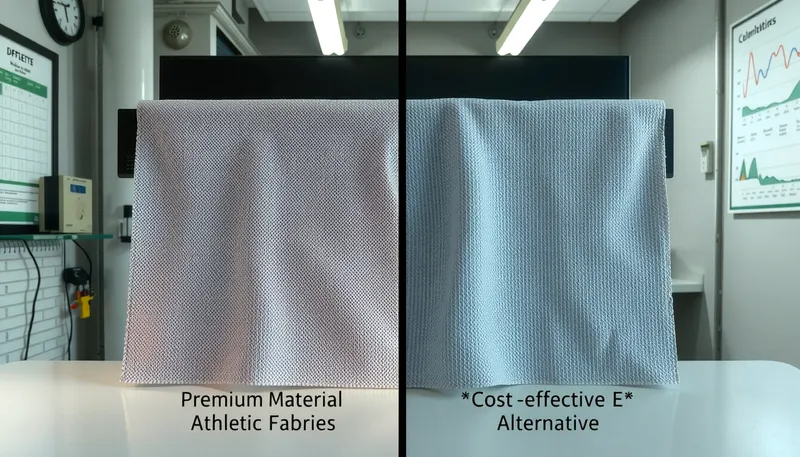
To make a clear decision, it helps to see the methods side-by-side. The acid printing vs. sublimation controversy basically boils down to the discussion about polyester vs. nylon.
| Feature | Dye Sublimation Printing | Acid Dye Printing |
|---|---|---|
| Primary Fabric | Polyester ("The Workhorse") | Nylon ("The Performer") |
| Chemical Process | Ink turns to gas, staining the polymer surface. | Dyes form a molecular (ionic) bond with the fiber. |
| Resulting "Hand" | Zero feel. The ink is inside the fiber's surface. | Zero feel. The fiber itself is dyed, not coated. |
| Color Vibrancy | Bright, but can look "flat" on cheap polyester. | Very deep, rich, and shiny on nylon. |
| Durability | Excellent. It will not crack or peel. | Unmatched. Becomes part of the fabric's structure. |
| Market Position | Cost-Effective, Promotional, Fast Fashion. | Premium, Luxury, High-Performance. |
The Science of Sublimation
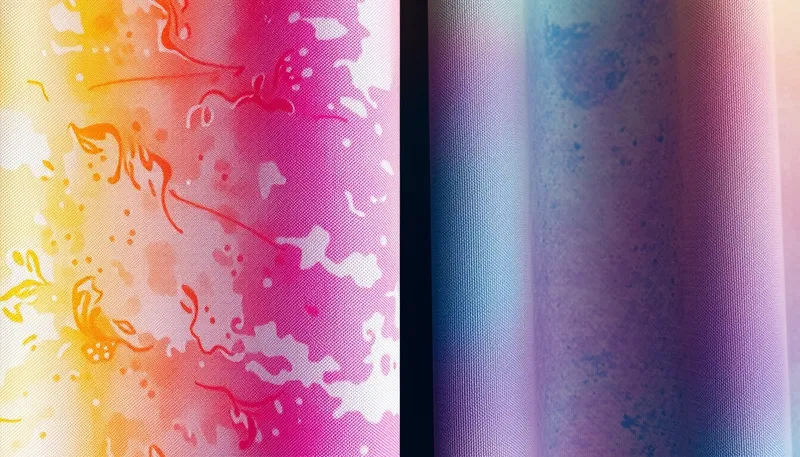
Sublimation printing is a basic and effective procedure. It is the very heart of the mass-market clothing sector for a reason. The process is uncomplicated and quick.
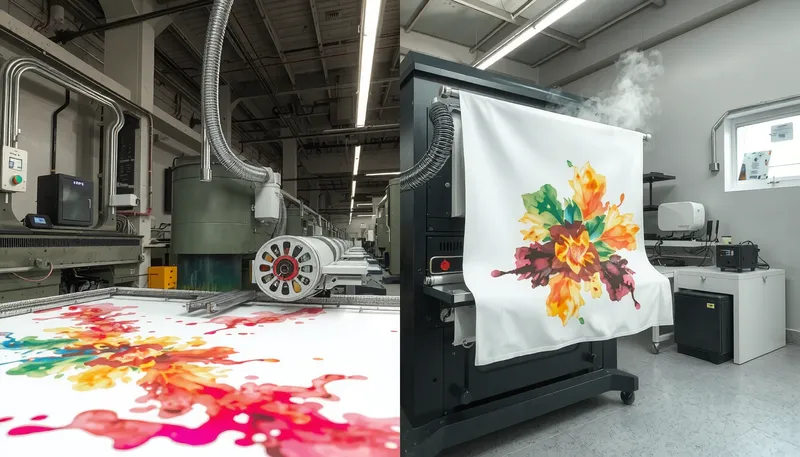
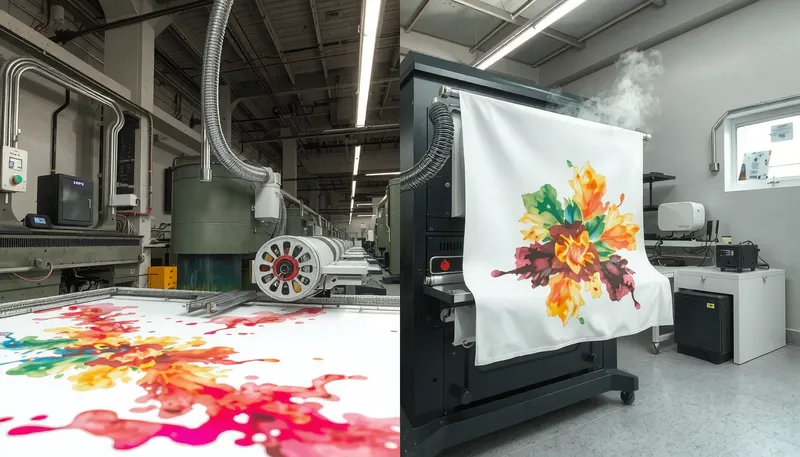
Primarily, a design is printed with special inks onto transfer paper. Then, a heat press is used, which not only applies heat and pressure to the paper and the polyester fabric but also causes the solid dye on the paper to turn directly into a gas. This process is called sublimation.
At that moment, the high-temperature heat opens the polyester fiber pores. The dye gas enters these open pores. When the fabric starts to cool, the pores shut. The gas that was there turns back into a solid, and thus is embedded permanently into the polymer. This is like a permanent mark on plastic. The reason sublimation is one of the most widespread methods of digital fabric printing is because of this very fact. The process is reliable because the polymer is polyester, a plastic type. This particular chemical reaction is very consistent.
The Science of Acid Printing
Acid printing is a more precise and integrated process. It is specifically dedicated to premium fibers. Naming it "acid" does not imply the use of a strong, dangerous chemical. It is a nomenclature for the mildly acidic solution or dye bath used to set the perfect conditions for a chemical reaction.
The science here is that acid dyes are made of negatively charged parts known as ions. Nylon fibers, which are polyamides, have positively charged part called amine groups. For example, when a piece of nylon is placed in the acidic dye bath, the positive and negative ions come together just like magnets. Thus, they make a very strong ionic bond.
It is more than being a mere surface stain. The color, in a chemical sense, takes the place of nylon fibers. This process is what manufactures the color from the fibers' interior. This is the level of color depth, richness, and permanence surface printing can never get. Craftsmanship and chemical precision defining It.
Why High-End Brands Don't Use Sublimation on Nylon
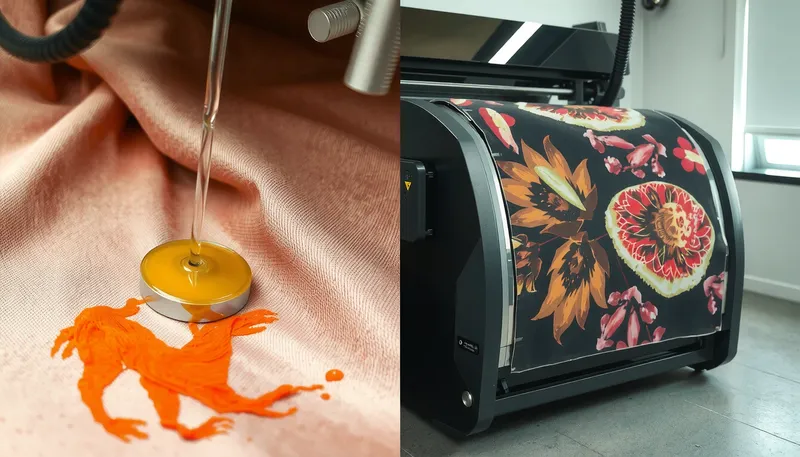
Product managers often query why leading brands do not use sublimation on nylon. The answer lies in the chemistry and temperature. Trying to do so risks the very factors which originally make nylon a premium fabric. This is a key reason for the acid printing vs. sublimation debate.
-
1. The Heat Problem: A Material Mismatch Sublimation depends on high temperatures. This is generally 190-210°C (380-410°F). However, high-quality nylon fabric has a melting point that is much less a possible factor at 220°C. Thus, at sublimation temperatures, nylon tends to shrink, warp, or even yellow. Applying this kind of heat to the fabric damaged its structure, strength, and hand feel in the process. All in all, it's an extremely risky process that can obliterate an expensive material.
-
2. The Chemistry Problem: No Place to Bond Sublimation dyes are made to be absorbed by polyester polymers. Nylon is a polyamide and has a different chemical structure. It has not the right kind of molecular "pores" for the sublimated dye gas to enter and bond with. The chemistry is simply not compatible.
-
3. The Quality Problem: Faded, Fleeting Color From my personal experience with sublimating on untreated nylon, I can say it is a complete mess for any serious brand. Starting with the very first print, it appears faded, blurry, and blotchy. To make matters worse, it is not permanent. Since there is no true chemical bonding, the pigment will be lost and washed out. It can happen after the very first wash. This, of course, is a far cry from an acid-dyed nylon garment where, in this case, acid dye being the color that will be part of the fabric will stay bright for the garment's life.
The Premium Choice: Acid Printing on D036
Receiving exceptional results does not just mean the correct dye; it requires more. This also involves an "Engineered Base Fabric", optimized specifically for the printing process. This is the place where high-end art and science in textile production reside.
Nylon is the quintessential choice for active wear, swimwear, and technical gear as the performance clothing. It has much better tensile strength, abrasion resistance, and a softer feel than polyester. However, not every nylon is made equal.
A fabric like D036 is an excellent example of the kind of base nylon designed for acid printing. The specific blend and weave are meant for the maximum dye uptake. This allows for the acid dyes to bond deeply and evenly through the entire fiber. In the end, it is the color brilliance and the feel of luxury that is unmatched. By using a dedicated base such as D036, premier brands guarantee that their printed products will be bright, durable, and satisfy their promise at every turn.
Conclusion: Your Method Defines Your Product
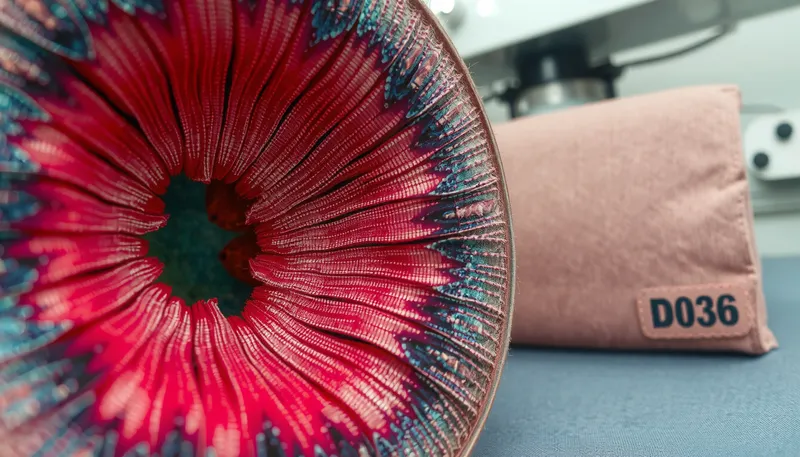
In 2026, the decision about acid printing versus sublimation becomes a strategic one. Your choice is a direct reflection of your loyalty to quality and marking your desired market.
Roles are set. Sublimation is the economical, the reliable standard for plush polyester goods. It does its job well for promotional and fast fashion.
Acid printing is, however, the uncompromising choice for premium nylon high-performance goods. It is a quality statement. It releases ink permanently that is deep and thus makes the yarn stronger. Brands that desire to be the best must begin by realizing this science, which is the bedrock to developing exceptional products.
Frequently Asked Questions (FAQ)
1. Can you use acid dyes on polyester?
No. Acid dyes are chemically designed to bond with polyamide fibers like nylon or protein fibers like silk and wool. They have no chemical attraction to polyester. An attempt to print on polyester with acid dyes would result in the color simply washing right off. This shows how important it is to match dye chemistry to fabric type.
2. Is sublimation printing bad for the environment?
Sublimation is a dry process that uses no water. This gives it a major environmental benefit over traditional wet dyeing methods that use large volumes of water. However, the process is limited to polyester, which is a petroleum-based synthetic fabric. The total environmental impact depends on the full lifecycle of the product. This includes fabric sourcing and end-of-life.
3. What does "hand" or "feel" mean in fabric printing?
"Hand" describes how a fabric feels to the touch after it has been printed. Both sublimation and acid printing produce a "zero hand" finish. This is because the dye becomes a part of the fiber itself, rather than sitting as a layer on top. This soft feel is very different from older screen-printing techniques that can leave a thick, rubbery layer on the fabric.
4. Does acid printing fade more than sublimation?
No. When performed correctly on a quality engineered nylon base like D036, acid printing creates a very durable molecular bond. This bond is highly resistant to washing and light exposure. This makes it perfect for items like swimwear and activewear that are exposed to sun, chlorine, and heavy use. Its superior durability is a key reason for its premium status.
5. Why is nylon more premium than polyester for performance wear?
While both are strong synthetic fibers, nylon typically offers a superior user experience. It has a softer, smoother feel against the skin. It has better resistance to scrapes and snags, and excellent stretch and recovery. This powerful combination of comfort and toughness makes nylon the preferred fabric for high-end leggings, swimwear, and technical jackets where performance and feel are critical.
Written by Forall Lab
© Forall Lab • Powered by Kunpeng ONE