In the era of 2026, people are more conscious of the environment than ever before; thus, there is a strong motivation to acquire green products. Businesses have their eyes on recycled nylon fabric china as the answer to the need for customers’ demands. Nevertheless, we must start asking this essential question: Is GRS-certified recycled nylon fabric the be all and end all for your brand to solve this issue? This article provides candid sourcing guidance for managers. The main idea is that recycled nylon is inferior in quality to virgin nylon. Our position is that a solid virgin nylon choice would be a smarter and greener choice for many brands.
Key Points
- Cost Reality: GRS-certified recycled nylon often is more expensive than virgin nylon that is of good quality. The reason is the complicated collection and reprocess of the material.
- Quality Trade-offs: Compared to virgin nylon, recycled nylon may be frail and lower in strength. It may also have some color inhomogeneities.
- The Long Life is Green: The most environmentally friendly product is a durable one; that is a thing that lasts for years. Durable items therefore reduce the overall amount of material used and waste.
- The Smart Choice: If brands want print quality and the product life to be stable, a stable virgin nylon like D036 stands out as a more responsible and cost-efficient choice.
The Reality of Getting Recycled Nylon
The desire for sourced materials that are made from recycled content is huge. Nevertheless, acquiring recycled nylon fabric china comes with some challenges that are not widely talked about. It is necessary to look deeply into the situation beyond the marketing tag. This is what actually is the situation with "recycled" nylon.
The Surprising Cost Factor
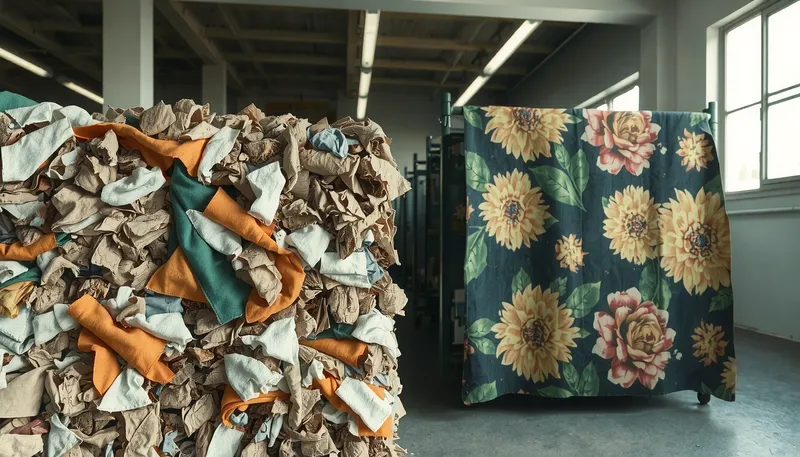
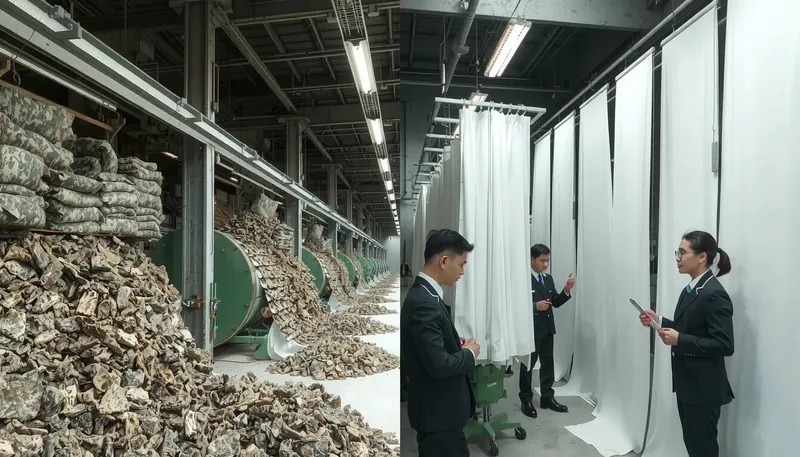
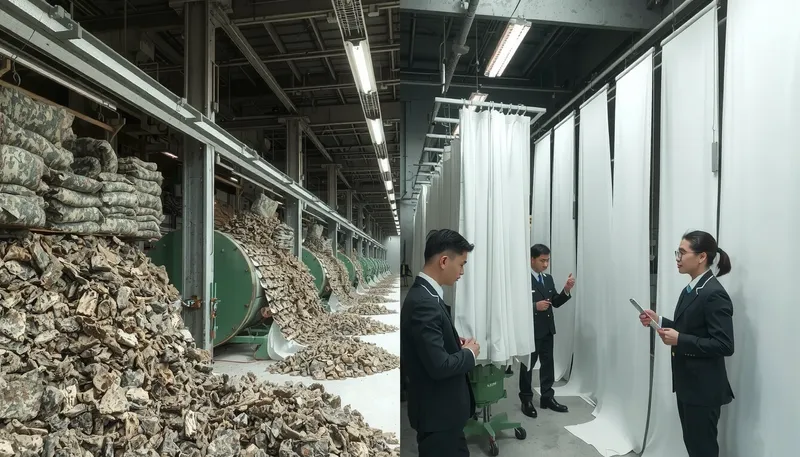
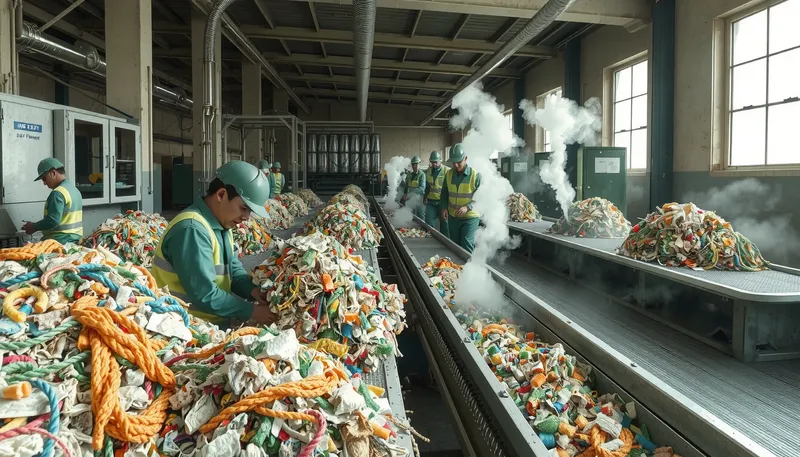
Many people relate the word "recycled" to something to be cheaper. In general, this is a misconception. The process of recycling is complex and often expensive. It involves the collection of waste materials like fishing nets and factory scraps. Afterward, these materials are sorted out, cleaned, and then processed back.
These steps are labor intensive and require special hardware. The yield or the amount of useful material is also lesser than in the case of virgin production. This difficulty in the procedure is what causes the GRS-certified recycled nylon to be more expensive than its brand-new version.
The Hidden Quality & Strength Trade-offs
We have to be honest about the quality. The most popular recycling method is mechanical. This process can cut down the microscopic fibers, or polymer chains, that augment the power of nylon.
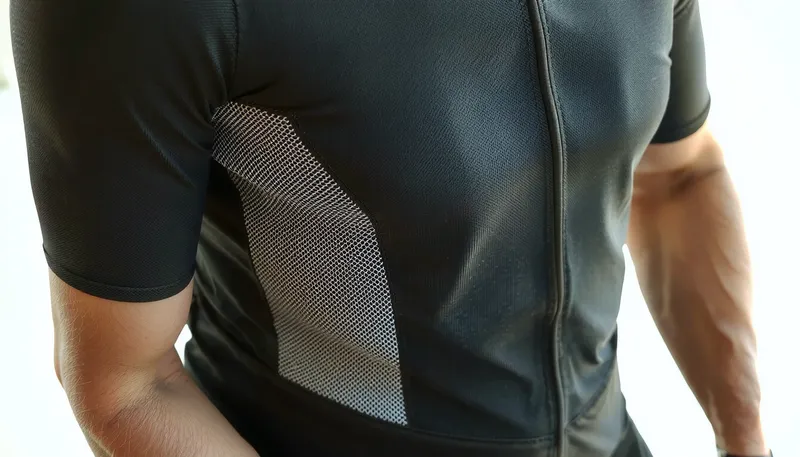
The outcome is a material which has low tensile strength. This means it could be more prone to ripping and may not last as long. Brands can also have problems with the color. The need for more chemicals and technical intervention makes getting bright and even colors on recycled fabric difficult. The reality, however, is that pure nylon, which comes from virgin resources, is often more effective.
Finding Your Way in the Market
Finding reliable suppliers for recycled nylon fabric china requires thorough research. While there are some good recycled nylon fabric manufacturers available, each claim must be fact-checked against credible evidence.
Also, the market is populated with special suppliers from China. These are the ones that high-quality recycled and certified materials would be bought from if background checks are conducted.
GRS vs. Virgin Quality: A Real Comparison
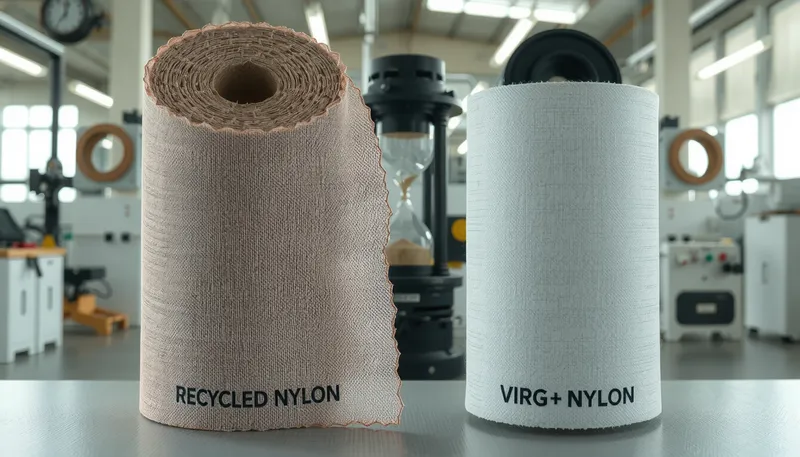
To come up with the best decision for the brand, you should have a correct picture of the facts. This is an objective comparison of GRS recycled nylon and virgin nylon of the highest quality.
| Feature | GRS Recycled Nylon | High-Quality Virgin Nylon |
|---|---|---|
| Strength & Life | Lower-to-Moderate (due to polymer breakdown) | High (made for strength and long life) |
| Print & Color Quality | Can be uneven; may need more processing | Excellent; gives a perfect, even base |
| Unit Cost | Often higher due to complex processing | Usually more cost-effective and predictable |
| "On-the-Label" Green | High (GRS certified, uses waste) | Low (uses new fossil fuels) |
| Lifecycle Green | Lower (may lead to faster product replacement) | High (longer product life reduces overall use) |
This table depicts the facts about "recycled" nylon: GRS vs virgin quality involves big trade-offs which all sourcing managers must always take into consideration.
The Case for Long Life: The Smarter Eco-Choice
What if the most environmentally friendly option is not the one wearing the "recycled" tag? True green thinking starts with the production of long-lasting products. In this case, high-quality virgin nylon might be the wiser choice.
Rethinking "Eco-Friendly"
The most eco-friendly garment is the one that the customer loves and wears for a long time in the first place. The product that fails first, regardless of what kind of material it is, will find its way to a landfill.
The most significant environmental issue of the fast fashion industry is the enormous amount of clothes going to waste. An even stronger item, despite being made from virgin material, stands against this concern directly. By extending a product's life, we can lower the demand for replacement products and, in turn, minimize our carbon footprint.
A Smarter Canvas for Budget-Smart Brands
In their quest to provide better-quality printed clothes, manufacturers must use a stable fabric base. A flimsy and lightweight textile, for example, can be prone to distortions during printing. This results in design damage and garments that are unwearable thus, they create waste.
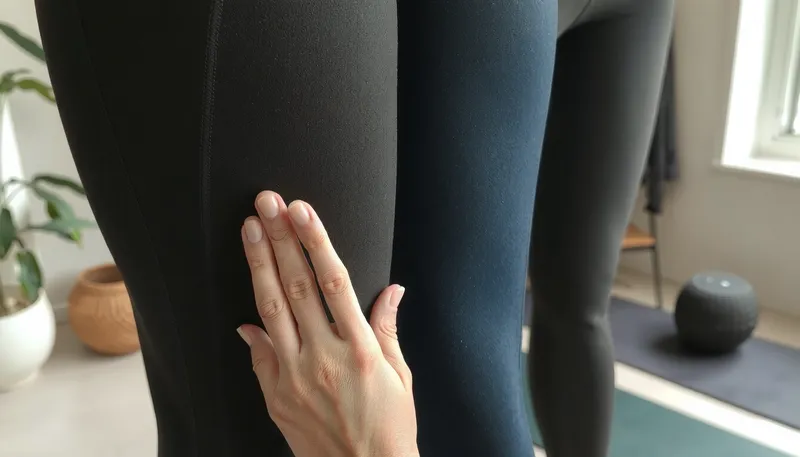
On the other hand, for brands that prioritize print quality and durability, the most notable choice is often high-quality virgin. Our Nylon Interlock | D036 is the perfect example of that. We call its unique structure "One-Open-One-Close." Its unique structure is a blend of a woven shirt and a knit. It is a stable canvas, nothing warps the print, and the final garment lasts longer. Thus, it adds true value and decreases waste.
How to Get Nylon Fabric Smartly
Whichever you choose from, you should always make a decision that is well-informed. A strong sourcing strategy helps in keeping your brand's reputation and its bottom line. Here is a handy checklist that can help you in sourcing recycled nylon fabric china as well as its alternatives:
- Define Your Goal: Beginning with knowing the end before the mean, focus on what is most important. Are you after acquiring a "recycled" tag on your label? Or are you concerned with the duration of the product and the pleasure of the customer? The answer will direct you to the fabric of your choice.
- Ask Technical Questions: Inquire more than just "Is it GRS certified?" Go ahead and ask the origin of the recycled materials (pre-consumer vs post-consumer). Ask about their recycling method (mechanical vs. chemical). You can also ask for technical data sheets that contain details on tensile strength.
- Test, Don't Trust: Always order samples of any fabric you are considering. Do your own tests for strength, pilling, color fastness, and printing quality before committing yourself to a large order.
- Look at the Full Picture: It's important to work with suppliers who are dealing with the whole raft of materials. Knowledgeable suppliers' portfolios of varied options like Recycled Polyester and Nylon fabrics as well as premium virgin fabrics will help you satisfy the particular needs for your products.
Frequently Asked Questions (FAQ)
Is recycled nylon from China cheaper than virgin nylon?
Not always. The complex processes of collecting, sorting, and reprocessing waste materials can often make GRS-certified recycled nylon cost more than high-quality virgin nylon in 2026.
What is GRS (Global Recycled Standard) certification?
GRS is an international standard that checks the recycled content in a final product. It also sets strict social, environmental, and chemical processing rules. This ensures responsible production throughout the supply chain.
Does recycled nylon have the same quality as virgin nylon?
It depends on the recycling process. Mechanically recycled nylon can have shorter polymer chains. This leads to reduced strength and life. Chemically recycled nylon can match virgin quality but is often even more expensive and less common.
How can I check a Chinese supplier's recycled fabric claims?
Always ask for their GRS transaction certificates (TCs) that are specific to your order. Do not rely only on a general company GRS scope certificate. Also, careful sample testing is crucial to check the quality of recycled nylon fabric china.
What makes a fabric "eco-friendly" besides being recycled?
True eco-friendliness is about more than just recycled content. It also includes the fabric's strength and life, as longer-lasting products reduce waste. The production process, including water and energy use, and the chemicals used for dyeing and finishing are also key factors.
Written by Forall Lab
© Forall Lab • Powered by Kunpeng ONE