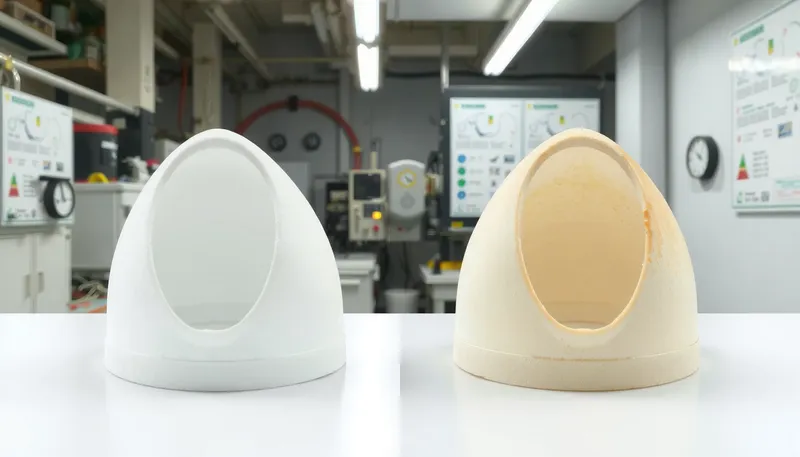
You've experienced how irritating it is. You reach for your favorite white t-shirt bra which now looks dirty and yellow. You notice yellow patches that you weren't able to see before. You followed the washing instructions to the letter, so why did it happen? The reality is, this issue most of the time isn't because of you. Of course, sweat and oils are involved. But the major reason that causes these molded bra cups to yellow is the material itself which has a chemical problem. The manufacturers that make quality products have already fixed this problem for years. This text will help you find the exact "yellowing pain" reason that you have and it will also tell you the quality control secret to completely stop it from happening.
Key Insights
- The basis of the molded bra cup's deep and even yellowing is the foam it contains. This foam gets decomposed by the oxygen in the air. It's not just sweat or bad washing.
- Likewise, heating and UV light speed this process significantly. Hot water, dryers, and sunlight all contribute to more rapid yellowing.
- In terms of production, "D083" is a premium-grade foam that has specific additives to inhibit yellowing. Bra models that utilize cheap and standard foam technology will typically turn yellow.
- You can't reverse the yellowing of the inner foam. The use of chlorine bleach is a no-go. It will compound the damage.
- The best way to avoid this issue is to choose bras made from quality materials like D083. You can also go for colored bras rather than white.
Beyond the Wash Cycle: The Internal Chemical Betrayal of Your Bra
Viewing yellow stains on white bras becomes the reason for most of us to blame ourselves. Our first thought is that we probably made a mistake in washing it or the sweat and deodorant actually did that. Even though they are the actual causes of the topical stains, they don't explain how a whole molded cup can change color from the inside out. The true reason is in the inner chemical reaction happening inside the bra.
The Problem Hidden in Your Equipment: Foam Decomposing
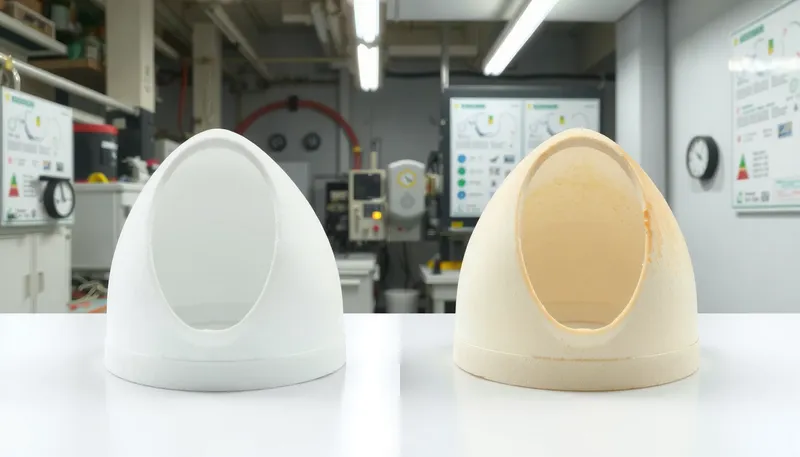
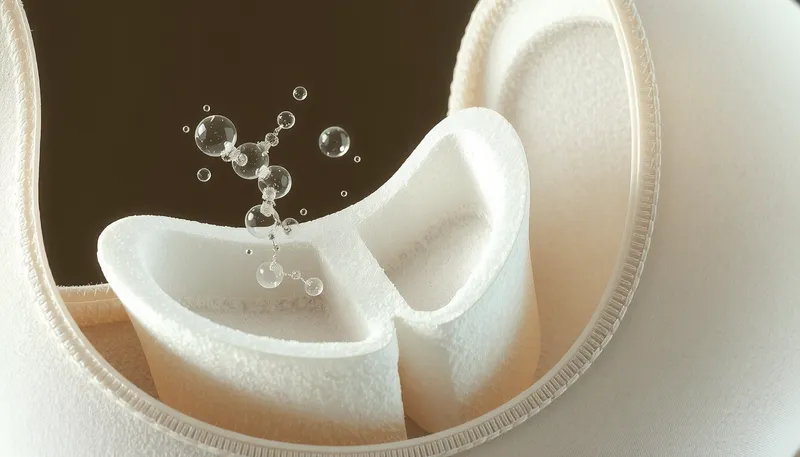
The majority of molded bra cups consist of polyurethane foam. This foam gives the cups the desired smooth, supportive shape. Let's note, however, that this material is quite volatile and is prone to reacting with the oxygen that is found in the air. The process is referred to as oxidation.
This chemical alteration gradually disintegrates the structure of the foam. The process of decomposition occurs with the foam color shifting from white to yellow. The structural change is inevitable. It will always take place. However, the quality of the foam plays a role in how quickly it occurs.
Heat and UV Light: Worst Enemies of White Bras
Some things can increase the breaking down process drastically. Heat and light are the worst enemies of the foam in your molded bra cups.
Excessive hot water or a heated machine dryer is the greatest speed-up for the chemical reaction, which results in a rapid yellowing effect. Radiation from the sun is another contributing factor. The bra may well be damaged even if it is stored away under bright lights. UV rays themselves are the ones that can harm the foam. This clarifies the known challenges in the bra molding process. Heat must be stringently controlled if problems are to be prevented from the beginning.
Are Sweat and Deodorant the Main Problems?
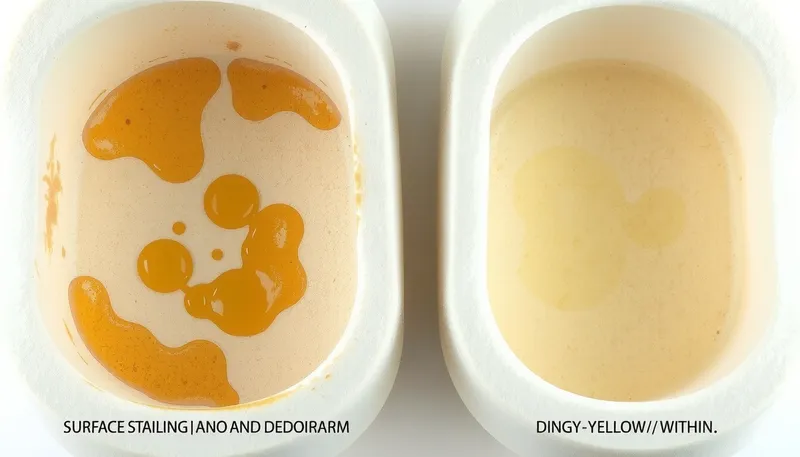
Sweat and deodorant can definitely cause yellow stains. This is especially true for the underarm area. But these are merely surface stains. They are different from the evenly colored inner surface of a whole molded cup which has been altered. When the whole cup becomes dingy yellow, you are seeing the foam itself changing color from within. The problem is inside, not just on the surface.
The Secret of Manufacturing: Why Some Molded Cups Are Doomed to Yellow
Now I am going to unveil a secret. In the underwear market, the "yellowing pain" is a well-known quality control concern. The good brands do their best to stop molded bra cup yellowing. Choosing the right foam is the most crucial thing.
The "Yellowing Pain": A Known Quality Control Problem
From the angle of production, foam yellowing is a constant source of concern. Low-cost foams are easily found and can make the final bra price lower. Yet these standard foams are highly unstable, as they change color quickly.
A manufacturer who selects this cheaper material does so with the knowledge that the bra will likely yellow. The result is a compromise between cost and long-term quality. This can account for the fact that some new bras are perceived to age much faster than they should.
The Better Option: Why "D083" is the Only Safe Choice
To combat this issue, better material grades were developed. In the realm of white molding, the highest standard is a material called "D083." It's not just your everyday foam.
D083 is a special high-end grade of foam that is created using special additives. As shown in patents for specialized flexible polyurethane foam for bra cups, these better foams contain agents like HALS and other antioxidants. These powerful ingredients work to slow down the breakdown process. They shield the foam from heat, light, and air.
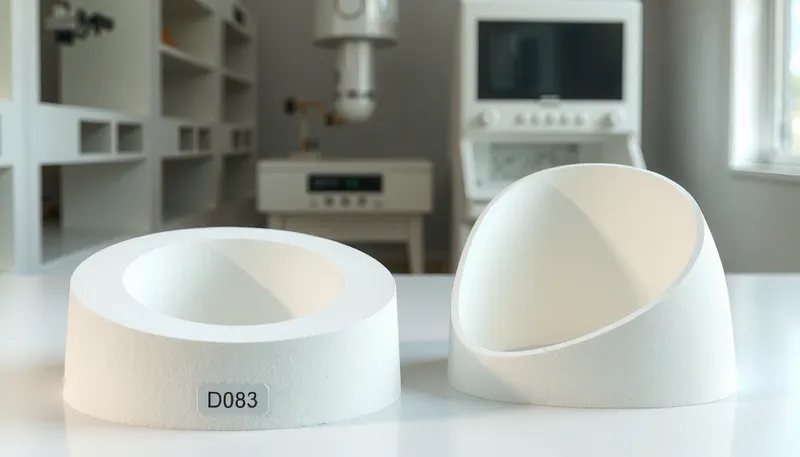
Using standard foam in a white molded bra guarantees it will turn yellow. The choice to use a more stable, strategic material such as D083 is a direct investment in the bra's quality and longevity. It is the secret to a white bra that always stays white.
The Price of White: Cost and Quality Correlation
This better D083 foam costs more to produce. This will translate to a higher price on the bra. It is one of the main reasons that bras from high-end, reputable brands hardly ever turn yellow for many years. Cheaper alternatives might change color quickly, even when appropriately cared for. You are paying for the advanced materials science that keeps your bra looking new.
Can Yellowed Molded Cups Be Saved? (And What to Avoid)
Once the inner foam has been yellowed, can the damage be fixed? The truth is, it is mostly not possible, as the color change is a chemical one which is very hard to reverse. Here are some things you should or shouldn't be doing to deal with a yellowed bra.
The "Don't" List: Methods That Cause More Harm
- Chlorine Bleach: Molded bras must never be exposed to chlorine bleach. Bleach is a harsh chemical that will break down the foam. It would increase the yellowing and lead to foam brittleness and decay.
- High-Heat Soaking: Soaking your bra in hot water will just quicken the breakdown process that you're trying to fix.
- Hard Scrubbing: The yellowing is in the inner foam, and scrubbing the outer fabric will not reach it. Instead, it will only harm the delicate material.
The "Do" List: Gentle Approaches for Light Stains
- Oxygen Bleach Soak: For light surface stains, a gentle soak in color-safe oxygen bleach may help. Follow the product directions and use cool water. This will not fix deep foam yellowing.
- White Vinegar Soak: A weak solution of white vinegar and water can help break down deodorant residue on the surface fabric. It will have little to no effect on the inside foam color.
- Final Verdict: The best approach is prevention. Once deep molded bra cup yellowing happens, it's mostly permanent.
FAQ: Your Top Questions on Molded Bra Cup Yellowing
Is the yellowing on my bra mold or mildew?
A: Unlikely. Mold or mildew usually appears as distinct, often dark-colored spots (black, green). They may have a musty smell. The even yellowing of a molded cup is typical of foam breakdown. This is a chemical process, not a biological one.
Can I use chlorine bleach to whiten my yellowed molded bra?
A: No, you should never use chlorine bleach on a molded bra. The foam core will react badly with the bleach. This can make the yellowing worse. It can also cause the foam to become brittle and break apart.
Why did my new bra turn yellow in the drawer before I even wore it much?
A: This is a classic sign of poor-quality foam. The breakdown process can start just from exposure to air and light over time. If it happens quickly, it means the manufacturer used unstable foam without anti-yellowing agents.
Will switching to an aluminum-free deodorant stop my bras from yellowing?
A: It might help reduce yellow surface stains in the underarm area. These are a reaction between sweat, bacteria, and deodorant chemicals. But it will not prevent the main issue of the inside foam breakdown that causes the entire cup to yellow.
Are colored molded bras a better choice to avoid this problem?
A: Yes, in a way. The yellowing process still happens in the foam of colored bras. But the dye used in the foam and fabric covering completely hides the color change. If you are tired of dealing with yellowing, choosing black, nude, or other colored molded bras is a simple way to avoid seeing the problem.
Written by Forall Lab
© Forall Lab • Powered by Kunpeng ONE