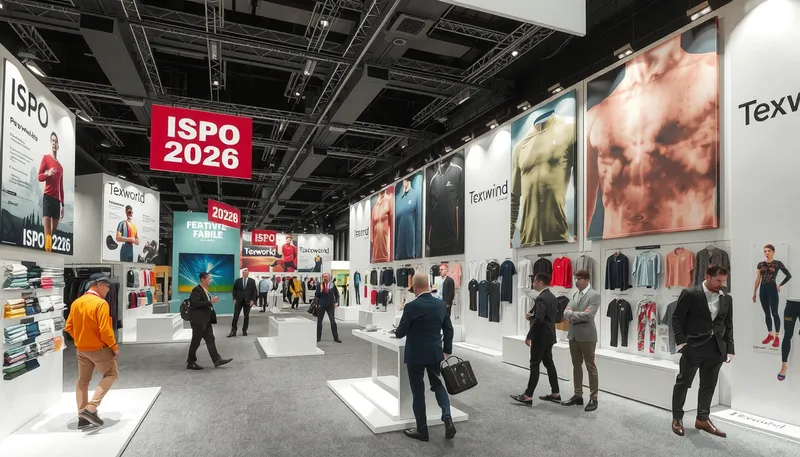
To gain a strong foothold in the activewear fabric industry, you should source the finest materials to stay ahead of your competitors in the coming year 2026. One major benefit of importing from China is that you can directly access activewear material fabrics. It means fewer procedures, more options, and reduced costs. But it can appear quite challenging at the beginning. Quality, shipment, and unforeseen charges are some of the factors that could worry you. But do not fret. This is a step-by-step guide just for you. We are a manufacturer, and we do direct sales to customers. We will take you through the entire importing process. We will discuss how to choose a partner and the optimal materials for your needs. Furthermore, we will also delve into crucial topics such as customs duties and transportation to ensure the seamless occurrence of the import.
Key Takeaways
- Deal Directly with the Manufacturer: Dealing directly with the manufacturer can save you money. You have direct access to the specialist who can give you the advice on the technical requirements of the fabric. Better still, you can avoid defective fabric using the mill's technical expertise.
- Fabric Specs should be clear: You should understand the characteristics of the fabric, such as its breathability (ex. Nylon/Spandex), the weight (GSM), and any treatments like (moisture-wicking). These parameters significantly influence your garment's performance.
- Be A Landed Cost Master: The final price you are going to pay is not the only thing to take cognizance of. You have to ascertain the landside cost by including the shipping, insurance, and customs duties (determined by HS Codes).
- Shipping Terms should be known: The terms such as FOB, EXW, and DDP express who pays for the shipping to the point of taking the risks. Most brands find FOB to be the balanced and popular choice.
Why Choose Activewear A Chinese Mill over Other Suppliers?
Deciding on the sourcing partner is the initial major step. Trading companies are convenient to work with. However, selecting a fabric manufacturer offers you base advantages. These two things are the most significant factors in your costs and product quality. For example, building an import channel for activewear fabric from China with this direct relationship is the most sensible option.
Mill to Trading Company: Differences that Matter
When you talk about fabric, dealing with the textile mill directly is what makes the difference. You talk directly with the people producing your material. This helps the two of you be clear on the issues and resolve them quickly. This is achieved by cutting the middleman's markups and offering better cost savings. What's even more important is that it results in built-in quality control because it is included at an early stage.
Mill vs. Trading Company: A Clear Comparison
It is essential to your business's success that you are knowledgeable about mills vs. trading companies. We listed the essential points to help you identify which partner suits your business best.
| Factor | Working with a Mill (Us) | Working with a Trading Company |
|---|---|---|
| Price | Direct factory pricing without markups. | Higher price due to added commission. |
| Communication | Direct access to technical experts. | Communication goes through a third party. |
| Technical Expertise | Deep knowledge of fabric construction. | Generalist knowledge across many products. |
| Quality Control | QC is part of the manufacturing process. | QC is often a separate, less integrated step. |
| Flexibility | High flexibility for custom developments. | Better for small, mixed orders from many factories. |
Step 1: Choosing the Right Fabric for Your Activewear Brand
The fabric that you use is the driving force of your product. Making the right decision is essential to performance, comfort, and durability. Every day, as a mill, we explain these technical intricacies to brands. These basics will give you sufficient confidence to import activewear fabrics from China.
Key Fabric Specifications to Know
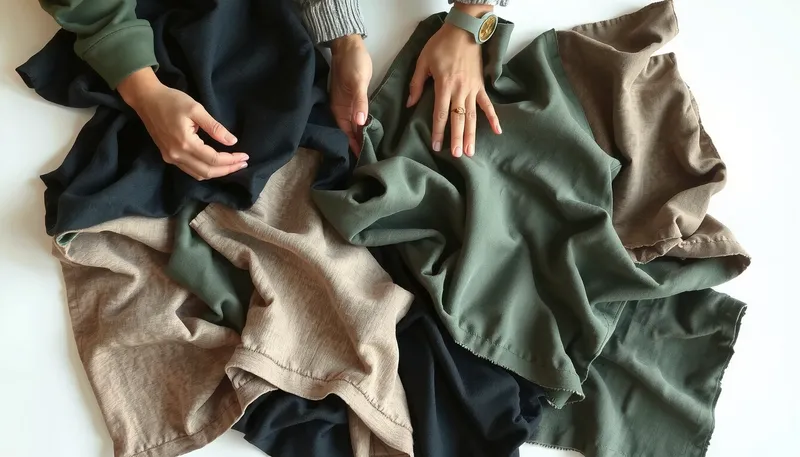
Here's a glossary of key terms you'll encounter on a spec sheet.
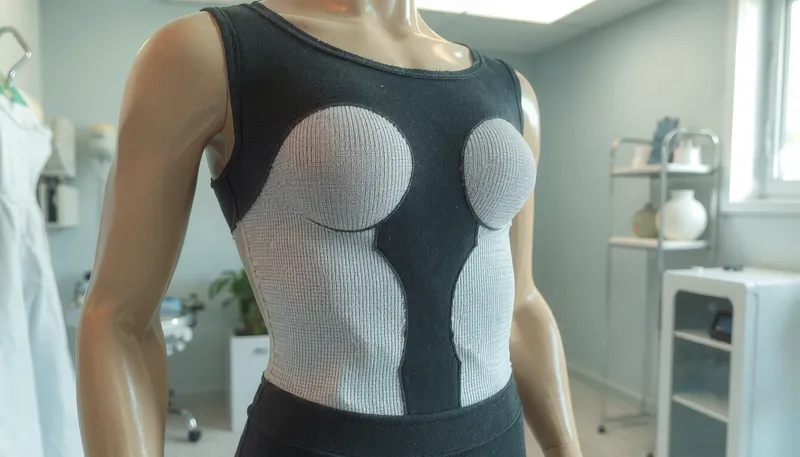
- Composition: This is the blend of fibers. Nylon/Spandex blends are light and stretchy while still maintaining a sense of cool. Polyester/Spandex is durable and effective in moisture wicking. The amount of Spandex (or Lycra, Elastane) decides how much the fabric stretches.
- Weight (GSM): This stands for Grams per Square Meter. It tells you how dense or heavy the fabric is. A lower GSM (160-200) is good for tops and light layers. A higher GSM (250-320) offers the needed compression and coverage for leggings.
- Knit Structure: This affects the texture, elasticity, and stability. Common knits are Jersey (soft and t-shirt-like), Interlock (thicker and very stable double-knit), and Rib (extremely stretchy for cuffs and details).
- Finishes: These are the treatments added to the fabric to make it perform better. Some popular finishes are moisture-wicking (to pull sweat away from the skin), anti-bacterial (to stop odor), and UV protection.
Main Problems in Fabric Selection (and How We Fix Them)
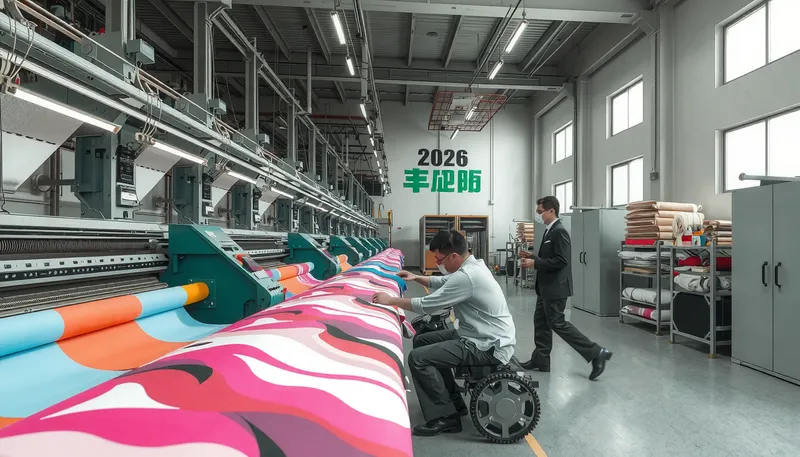
Brands can fall victim to the same problems in fabric selection that can ruin a whole product line. Some popular issues are pilling, poor recovery (after stretching), and colorfastness. The printing of patterns that transfer shapes to low-quality or unstable fabric is the most serious issue. Print distortion occurs when a printed technical pattern is not of good quality.
The Solution for Your Printing Needs
Fabric stability for brands focusing on prints with high quality is paramount. Our fabric made of lightweight knit, the Nylon Interlock | D036 is a fix for that problem. Its construction is unique and is called "One-Open-One-Close." This leads to a tight, stable surface. Thus, no curling and warping complexities on other 160gsm fabrics. One shirt gives the flexibility of a knit and the strength of a woven.
The value of sampling
Refrain from making any huge orders before you test samples. A good mill allows you to sew a sample fabric into a tester for you to examine. Wear it, wash it, and put it through stress tests. These are the only ways to be sure the quality of the fabric meets your brand standards before the full production run is committed.
Step 2: The Sourcing & Ordering Process: A Mill's Perspective
After knowing the right fabric that you need, next starts the production process. A clear mill partner will not make this process difficult but will make it a straightforward and predictable journey. Here is a general outline from the initial idea to a shipment completed.
Finding Out and Verifying Your Mill Partner
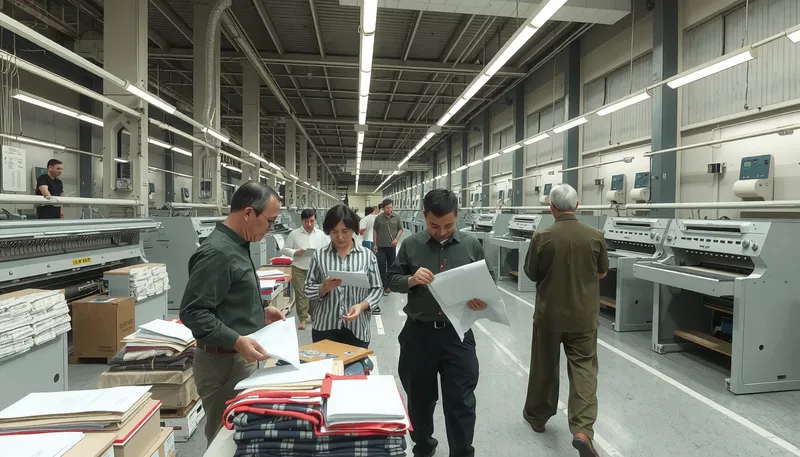
You can discover potential suppliers on the internet or at trade fairs, but the priority is to authenticate them as a manufacturer. Don't give in to trading companies posing as manufacturers. Among the many suppliers in China sportswear fabrics, identifying genuine manufacturers is vital. Quiz for a business license, factory photos, and virtual tours.
From Tech Pack to Bulk Order: The Production Timeline
A tech pack (technical package) is your production blueprint through which you design and engineer the product. It must include all the fabric specifications, color codes, and quality standards. Our experiences show that the best solution to prevent delays and mistakes is a thorough tech pack.
The production flow is:
- Inquiry: You submit your tech pack and request a quote.
- Sample Development: We produce sample fabric for your approval.
- Lab Dips: We dye small swatches of fabric to match your chosen Pantone colors for approval.
- Bulk Production: After samples and lab dips are approved, we will proceed with the main production run.
- Quality Control: We will check the fabric often throughout the process.
- Shipment: The finished fabric is packed and prepared for dispatch.
Quality Control: The Mill's Assurance
The promise we have for our quality is constant. We use a standard four-point check system to detect any faults in the fabric. Additionally, we conduct tests to match color against your approved lab dips. We verify the fabric weight (GSM) is consistent, as well. We also test for performance features. All this integrated QC makes sure the fabric that is out from our mill is exactly what you ordered.
Step 3: Your Guide to Tariffs, Shipping & Costs
The misconception most people have about the process of importing activewear fabric from China is that it is difficult. But it does not really have to be like that. Being your partner, we will make our work to explain these costs so that you can properly plan your budget. Understanding your actual "landed cost" is the main point.
The Lowdown on HS Codes for Activewear Fabric

Every product that is imported carries a Harmonized System (HS) code. This code is read by customs officers to define the product. It, in turn, determines the tariff or duty rate you need to pay. It is thus a very important piece of information to have.
Textile HS codes are included in Chapters 50-63 of the harmonized tariff schedule. As an illustration, knitted synthetic fabrics used in activewear often are from Chapter 60. To ascertain your duty rate, you must first determine the appropriate HS code for your specific fabric blend.
Understanding Your Landed Cost: Tariffs and Duties
Your landed cost is the total price you are going to pay for the fabric from our mill to your location. One common pitfall is budgeting only for the fabric itself.
The formula is very easy: Fabric Cost + Shipping + Insurance + Tariffs/Duties = Your Landed Cost.
To get the tariff rate, you should check the official customs or trade commission website of your country. Look up the HS code for your fabric to find the current duty percentages for 2026.
Breaking Incoterms Down: FOB, EXW, & DDP
Incoterms are internationally recognized terms that standardize the contract of sale. They help define the respective obligations of the buyer (you) and seller (the mill). Incoterms are decisive in shipping management.
| Incoterm | Mill's Responsibility (Our Role) | Buyer's Responsibility (Your Role) | Best For |
|---|---|---|---|
| EXW (Ex Works) | We prepare goods at our factory. | You arrange all shipping and customs. | Buyers with their own logistics teams. |
| FOB (Free On Board) | We deliver goods to the port in China. | You arrange shipping from the China port, insurance, and customs. | Most common and balanced option. |
| DDP (Delivered Duty Paid) | We handle everything, including delivery to your door. | You simply receive the goods. | Beginners or those wanting maximum convenience. |
Choosing Your Shipping Method: Air vs. Sea Freight
You have two main options for shipping your bulk order. While many guides on how to import clothes from China cover this choice for fabric, it is quite simple.
- Sea Freight: This is the most common and cheapest option for bulking orders. It is way cheaper than air freight but will take a long time. You should expect a travel time of 3-5 weeks.
- Air Freight: On the contrary, the air freight is the dearest and the quickest. It takes typically 5-10 days. This is recommended for fast sample orders or very low volume high-value production runs.
FAQ: Your Queries on Importing Activewear Fabrics from China
What is the standard Minimum Order Quantity (MOQ) for custom fabric?
The MOQ varies specifically with the fabric type as well as the mill. For custom-dyed colors, MOQs range around 300-500 kg per color while for stock colors, they may generally drop lower.
How do I ensure the quality of my fabric from so far away?
Choosing a mill that has solid QC processes and forming a partnership with them is the best approach. Always check for pre-production samples and have them tested. Additionally, to get your first few orders shipped off in safety, you can also hire an inspection service to check the goods pre-shipment.
What are the standard payment terms when working with a Chinese mill?
The most accepted payment model is a 30% deposit to initiate production and a 70% balance during order completion. The final payment is normally requested before the goods are allowed to get out of the premises.
How long does it take to import activewear fabric from China?
You should allow for a total lead time of about 2-3 months. This includes 3-5 weeks of production time plus an additional 3-5 weeks of sea shipping.
Can I get custom colors and prints made?
Yes, absolutely. This is one of the main benefits of working directly with a mill. For solid colors, you can provide a Pantone TCX color code for us to match. For prints, you provide a high-quality digital file. We then make samples for your approval before bulk production.
Conclusion
The journey to import activewear fabric from China is a clear path when you have the right information and the right partner. By understanding the benefits of working with a direct mill, learning the basics of fabric selection, and mastering the logistics of shipping and costs, you are well-equipped for success.
While the process has many steps, it is not something to fear. Working with a clear and experienced mill turns a potentially complex task into a smooth, efficient, and highly rewarding venture for your brand. With this 2026 guide, you can confidently take the next step in building a world-class activewear line.
Written by Forall Lab
© Forall Lab • Powered by Kunpeng ONE